Condo convenience or estate privacy. If you are considering oceanfront living in Delray Beach, the choice often comes down to how you want to live, what you want to manage, and how you want to control risk and cost over time. You want the surf and sunrise, not surprises. In this guide, you will compare true costs, insurance and financing friction, rules and restrictions, and key due‑diligence steps tailored to Delray’s coastline. Let’s dive in.
What drives the choice in Delray Beach
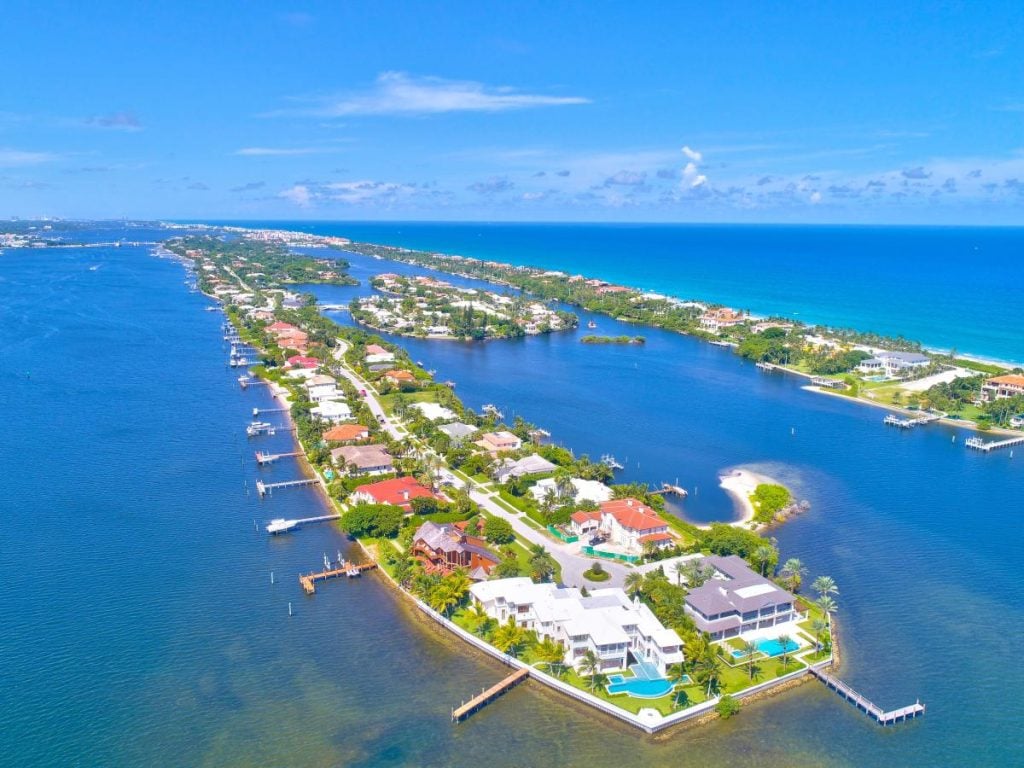
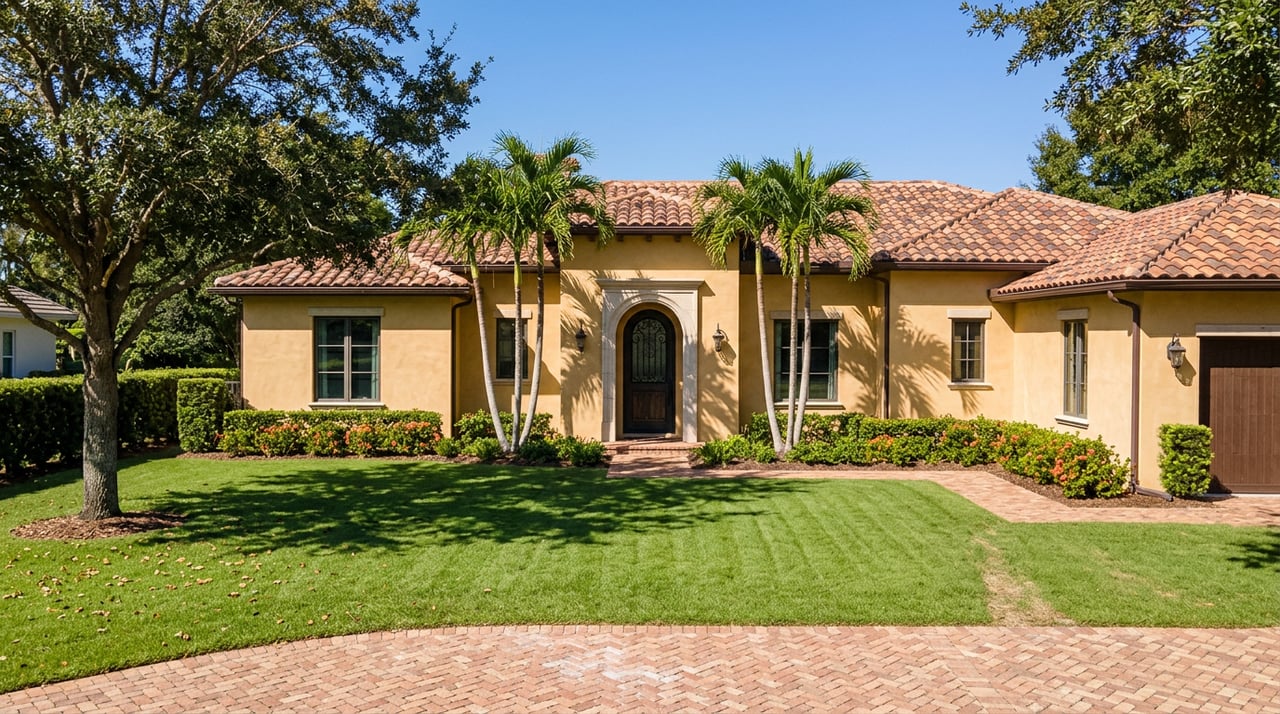
Delray Beach offers two distinct oceanfront experiences. Oceanfront condominiums give you lock‑and‑leave ease, full‑service amenities, and a single monthly HOA payment. Oceanfront single‑family estates give you privacy, land control, and the freedom to tailor a property to your style and use.
Micro‑markets matter. East of A1A and immediate beachfront addresses live in their own pricing and liquidity worlds compared with inland neighborhoods. As you weigh options, focus on lifestyle fit, carrying costs, and how each product type handles storms, reserves, and governance.
Costs and financing: side‑by‑side essentials
Purchase price and entry friction
In general, condos carry a lower entry price than single‑family homes citywide. That said, oceanfront buildings command a premium and can overlap with lower‑tier estate pricing. The best way to calibrate is to review current, like‑kind comparables and line up early with your lender to confirm building eligibility if you lean condo.
Monthly and annual carrying costs
For many buyers, this is where the decision becomes clear.
Oceanfront condos: Expect monthly HOA dues that can range from the mid‑hundreds to several thousand dollars per month, depending on unit size, services, reserves, and amenities. Ask for the association budget, year‑to‑date financials, and special assessment history. Review how the board funds reserves and what the catastrophe deductible looks like under the master policy. Guidance on coverage basics is outlined in this overview of condo insurance components, including how master and unit policies interact. See a plain‑English breakdown of what a condo policy typically covers in this condo insurance coverage guide.
Oceanfront estates: You control the lot and structure, but you also own all the upkeep. Budget for homeowners insurance, property taxes, landscaping, pool service, pest control, and periodic major systems replacements. If the property has a seawall or dock, plan for inspections and lifecycle work. Industry cost aggregators show wide ranges for seawall projects based on materials and access; get site‑specific quotes and assume meaningful reserves. See typical cost drivers summarized in this seawall cost overview.
Florida’s coastal insurance market remains a major line item for either choice. Recent reporting highlights premium pressure and policy shifts between Citizens and private carriers. Get property‑specific wind and flood quotes early. For context on market dynamics, see this Florida homeowners insurance overview.
Insurance structure: what you actually insure
Condos: The association insures the building and common elements with a master policy. You carry an HO‑6 policy for interior finishes, contents, liability, and loss‑assessment coverage. Confirm if the master policy is bare‑walls or all‑in, and review catastrophe deductibles so you can set proper loss‑assessment limits. For what these terms mean, review this condo insurance coverage guide.
Estates: You carry a homeowner’s policy that insures the entire structure, contents, and liability. Underwriting will weigh building specs, wind mitigation features, and elevation.
Flood insurance: If a property is in a Special Flood Hazard Area, lenders usually require flood coverage. Associations often carry an RCBAP policy for the building, while unit owners add HO‑6 endorsements for interiors. Single‑family owners may choose NFIP or private flood based on quotes. Start by checking your address on the FEMA Flood Map Service Center.
Taxes and exemptions
Florida’s homestead exemption and Save‑Our‑Homes caps apply only to your principal residence. Most seasonal or second‑home buyers will not qualify, which means taxable value typically resets to market at purchase. Use county tools to estimate taxes and confirm exemptions through the Palm Beach County Property Appraiser.
Financing and project‑level friction
Mortgage approval for condos includes a project review in addition to your personal underwriting. Older or financially weak associations may face lender restrictions tied to reserves, insurance, litigation, or occupancy mixes. Ask your lender to vet the project early using Fannie Mae’s Condo Project Manager. Financing for single‑family estates is typically more straightforward, but flood and wind exposure still influence terms and timelines.
Lifestyle and use tradeoffs
Condos: convenience and amenities
Pros
- Lock‑and‑leave ease with on‑site maintenance, security, and shared systems.
- Resort‑style amenities like pool, fitness, and beach access without direct upkeep.
- Staffed buildings that can simplify deliveries, guest access, and minor services.
Cons
- Less privacy and less control over building systems and schedules.
- Association rules that can limit pets, renovations, and rentals. If you plan to rent seasonally, confirm minimum stays and licensing. Florida sets vacation rental rules and licensing through DBPR. Review the DBPR vacation rental guide and check the association’s governing documents.
- Older buildings face inspection and reserve requirements that can influence dues and assessments. See more on SIRS and milestone inspections below.
Estates: privacy and control
Pros
- Full control of the land, structure, and improvements, including private pools, outdoor rooms, and dock potential.
- Scarcity of prime lots often supports long‑term desirability when the property is well maintained and insurable.
Cons
- You, or your property manager, coordinate all vendors. Expect more time or higher management fees to run the home smoothly while you are away.
- Larger capital items can be episodic and expensive, such as seawall or roof work. Planning and reserves are essential.
Regulatory and coastal factors to evaluate
Milestone inspections and SIRS
Florida now requires milestone inspections and Structural Integrity Reserve Studies for certain condominium buildings based on height and age. These inspections and reserve rules influence operating budgets, insurance decisions, and lender acceptance. If you are buying in a multi‑story oceanfront building, request the full inspection and reserve study package. For a practical overview of the milestone framework, see this Florida milestone inspections guide. For reserve planning and statutory requirements, review this SIRS requirements summary.
Flood, elevation, and shoreline context
Always confirm the property’s flood zone and elevation using the FEMA Flood Map Service Center. Flood premiums, especially under NFIP’s Risk Rating 2.0, are highly address specific. For long‑term context, view sea‑level rise scenarios and planning overlays with NOAA’s Sea Level Rise Viewer. Local shoreline protection and periodic beach renourishment shape dune health and beach width over time, which can influence comfort and resilience as you plan decades of ownership.
A simple decision framework
Use this quick lens to narrow your fit.
- Management tolerance
- Prefer minimal oversight, staff support, and a single monthly payment, and you visit for shorter stays. Consider a condo.
- Comfortable hiring a property manager and vendors or you want custom outdoor living and dock flexibility. Consider an estate.
- Governance vs control
- Fine with shared rules, amenity schedules, and board decisions that spread costs across owners. Consider a condo.
- Want autonomy on renovations, landscaping, and program of the property. Consider an estate.
- Risk profile and reserves
- Ok with predictable HOA dues but want to review reserve strength and special assessment history. Consider a condo and scrutinize SIRS and insurance deductibles.
- Comfortable setting aside capital for roof, seawall, and major systems. Consider an estate and build a 10‑year reserve plan.
- Time on site and use case
- Seasonal or short‑stay pattern with guests using on‑site amenities. Condo convenience fits.
- Longer stays, hosting at home, or boating focus. Estate control and privacy fit.
Due‑diligence checklists
For oceanfront condo units
- Association financials: current budget, year‑to‑date P&L, reserve study, insurance certificates, and 12 months of meeting minutes. Review SIRS and special assessment history. See a helpful overview of SIRS in this Florida SIRS guide.
- Milestone inspections: if the building is 3 or more habitable stories or near statutory thresholds, obtain the full report. Use this milestone inspections guide to frame what to request.
- Master insurance: declarations pages, coverage limits, and catastrophe deductibles. Confirm bare‑walls vs all‑in and calibrate your HO‑6 and loss‑assessment limits with your insurer. For definitions, review this condo insurance coverage guide.
- Lender package: lender condo questionnaire, owner‑occupancy and delinquency rates, and any pending litigation. Confirm early with your lender using Fannie Mae’s Condo Project Manager.
- Rental policy and licensing: minimum stays, blackout dates, and any association caps. If you intend to rent seasonally, confirm licensing requirements in the DBPR vacation rental guide.
- Flood and elevation: confirm flood zone on the FEMA Flood Map Service Center and request any elevation certificates or engineering reports.
For oceanfront single‑family estates
- Waterfront structure: current survey, seawall inspection and permits, dock condition and permits, and a lifecycle plan with quotes for repairs or replacement. For planning context, review this seawall cost overview.
- Building health: roof age and reports, structural evaluations, and moisture or termite inspections for older construction.
- Insurance quotes: get address‑specific quotes for homeowners and flood. Ask about wind mitigation credits, elevation, and flood venting.
- Zoning and shoreline: confirm setbacks and any shoreline or dune protections that affect improvements. For long‑term perspective, check potential inundation scenarios with NOAA’s Sea Level Rise Viewer.
- Taxes and exemptions: estimate current taxes and confirm exemption eligibility with the Palm Beach County Property Appraiser.
Work with a waterfront specialist
Both paths deliver the Delray Beach lifestyle, but the right choice depends on how you value ease, privacy, and control. A seasoned, waterfront‑focused team will help you model true carrying costs, read association documents, coordinate insurance quotes, and evaluate seawalls, docks, and shoreline context with the right experts. If you prefer discretion and a concierge process from first showing to long after closing, connect with The Jack Elkins Team for a private consultation.
FAQs
What is the main cost difference between oceanfront condos and estates?
- Condos centralize exterior upkeep and amenities into HOA dues, while estates trade HOA dues for direct expenses like landscaping, pool, and seawall or dock upkeep. Budget for insurance and taxes in both cases.
How do condo master policies and HO‑6 policies work for oceanfront buildings?
- The association insures the building shell and common areas, and you insure your interiors, contents, and loss‑assessment exposure with an HO‑6. Confirm bare‑walls vs all‑in on the master policy and set your limits accordingly using this condo insurance coverage guide.
Why should I check FEMA flood maps before I buy?
- Lenders often require flood insurance for properties in Special Flood Hazard Areas, and premiums depend on elevation and address specifics. Start with the FEMA Flood Map Service Center and request any elevation certificates.
What new Florida condo rules should I know about?
- Many buildings must complete milestone structural inspections and maintain structural reserves under SIRS, which can affect dues and assessments. Review the relevant reports and reserve plans using this milestone inspections guide and SIRS requirements summary.
Can I rent my oceanfront property seasonally in Delray Beach?
- It depends on local rules and your building or HOA. Confirm minimum stays, caps, and approval steps with the association and review licensing requirements with Florida’s DBPR using the vacation rental guide.
How does the broader Florida insurance market affect my decision?
- Premiums for wind and flood can be significant for both condos and estates, and underwriting shifts over time. Get quotes during due diligence and review recent trends in this Florida homeowners insurance overview.