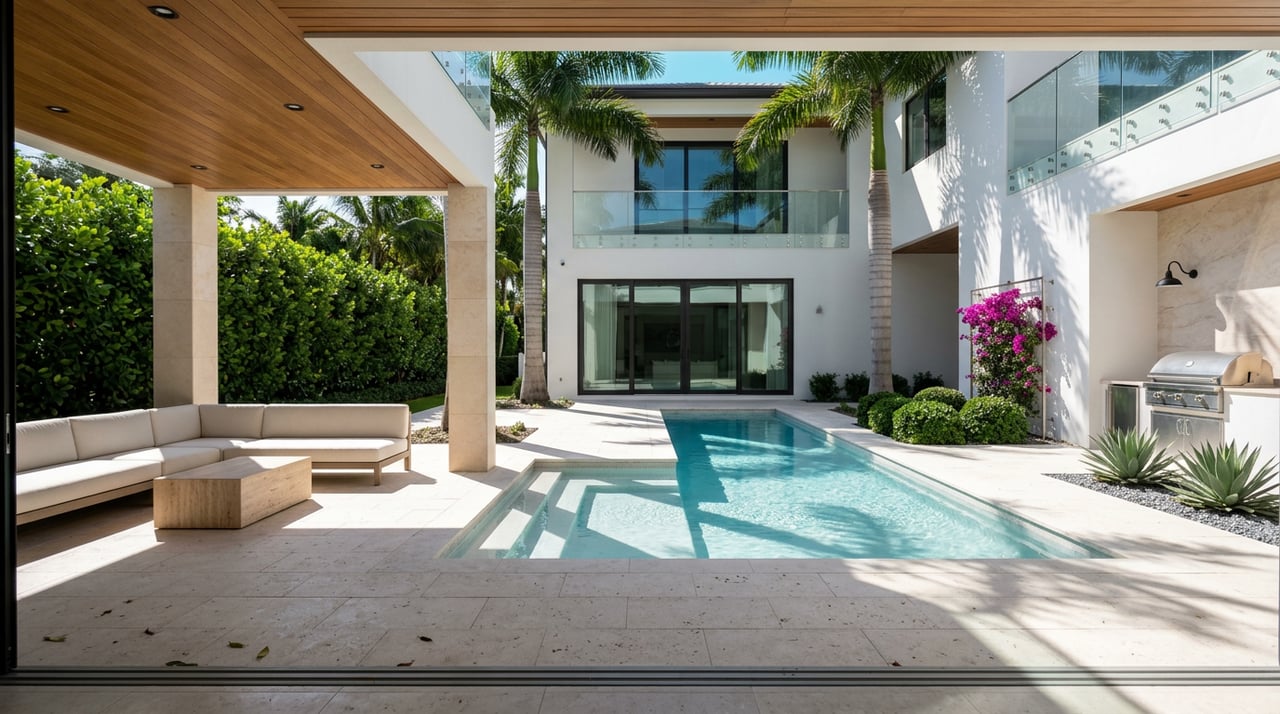
If you are scanning Jupiter Island listings and wondering why a few addresses command eye‑popping prices while others do not, you are asking the right question. In this market, “trophy” means more than a large house on the beach. It blends irreplaceable land, operational waterfront, privacy, and pedigree that very few parcels can deliver. By the end of this guide, you will know how the market defines a true trophy estate here, what drives value, and how to underwrite one with confidence. Let’s dive in.
Scarcity drives value on Jupiter Island
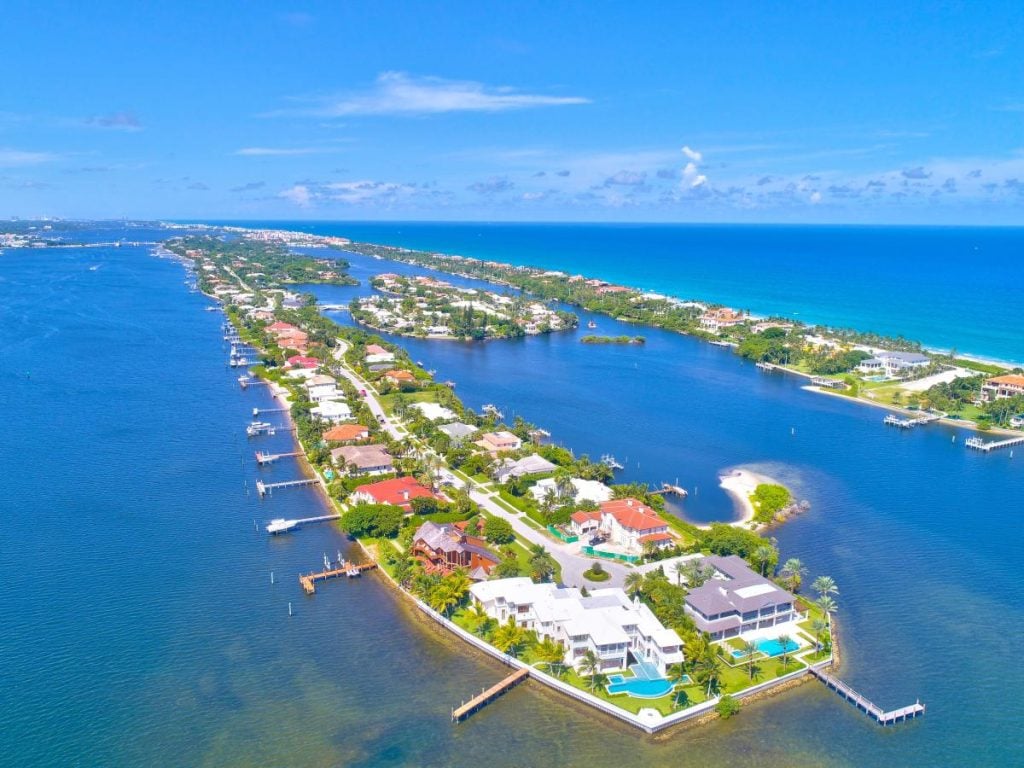
Jupiter Island is small by design. The Town spans roughly 1,643 acres with about nine miles of Atlantic frontage and just 705 taxable parcels, all under intentionally low‑density, single‑family zoning. The town also runs a dedicated Beach Protection District that funds shoreline stewardship and related assessments. Those structural limits create real scarcity that supports long‑term value. You can review the town’s community profile and beach program for context on scale, zoning, and shoreline management in the official town materials and the Beach Protection District page.
Natural buffers add to the sense of seclusion. The island sits beside protected lands, including the Hobe Sound National Wildlife Refuge, which limit nearby development and preserve sightlines many owners prize. That conservation adjacency is a durable part of the island’s character, documented in federal refuge planning reports.
Frontage and orientation matter most
The single biggest signal of a trophy estate is how it sits on the water. On Jupiter Island, you will see three primary orientations, each with a different premium:
- Pure oceanfront with a private beach and expansive dune system.
- Intracoastal frontage on the protected waterway with deep‑water dockage.
- True ocean‑to‑Intracoastal (double‑frontage) parcels that pair beachfront privacy with practical boating.
Double‑frontage estates are the rarest and typically command the highest absolute prices because they deliver both beach and yacht functionality. Recent publicized trades illustrate this tier, including a large ocean‑to‑Intracoastal compound that sold in the mid‑tens of millions and a high‑spec oceanfront estate that closed around the high‑thirty millions. When you evaluate orientation, focus on measurable site metrics: linear feet on each shoreline, lot depth, and the quality of the dune or seawall.
Lot scale, elevation and shoreline condition
At this level, acreage and lot depth often matter more than raw interior square footage. Larger parcels allow guest houses, service buildings, long private drives, and meaningful landscaped buffers. Those features enhance privacy and give you replaceability if you plan to redesign over time.
Elevation is another quiet but powerful driver. Parcels with higher natural grade above base flood elevation can improve insurability and reduce build complexity. As part of your screening, map the property in NOAA’s Sea Level Rise Viewer and request elevation certificates early in diligence.
Finally, confirm shoreline condition. On the ocean side, ask about dune health and nourishment history. On the Intracoastal, inspect the seawall, cap, and batter piles. Ownership on Jupiter Island often includes participation in the town’s beach programs, so review the Beach Protection District information to understand ongoing stewardship and assessments.
Boating and dockage: operational details
For marine‑oriented buyers, dockage is more than a lifestyle detail. It is an operational requirement. Trophy‑level estates will document permitted dock length, lift capacity, channel depth at mean low water, and the route to the inlet. A true “no fixed bridges” run with a short time to the ocean broadens the pool of yachts the property can accommodate. If you plan to berth a larger vessel, verify soundings, permits, and allowable LOA before you finalize terms.
Privacy, sightlines and neighbors
True trophy estates here feel visually and acoustically private without feeling isolated. That usually comes from oversized lots, mature landscaping, thoughtful building placement, and controlled sightlines toward the ocean or Intracoastal. Parcels bordering natural preserves or very low‑density blocks gain an additional buffer that many security and property‑management teams value over the long term.
Architecture, finish quality and provenance
At the ultra‑prime tier, architecture and pedigree move markets. Named architects, resilient building systems, integrated home automation, backup power, and curated interiors can separate a best‑in‑class property from a merely expensive one. Provenance also matters. A widely reported benchmark was the sale of a notable ocean‑to‑Intracoastal compound associated with Greg Norman in 2021 for approximately $55 million, a reference point often cited in local discussions of peak pricing. You can see how the industry framed that trade in contemporary media coverage.
How the market measures trophy value
Brokers and appraisers typically treat “trophy” as the top slice of the market by value, often the top few percent, where scarcity, liquidity, and address prestige intersect. This mirrors common global luxury segmentation used by firms like Knight Frank, which helps explain why headline prices alone do not define the category. For context on that framing, see industry research on prime and ultra‑prime.
When it comes to shorthand metrics, you will hear three most often:
- Price per linear foot of ocean frontage for ocean parcels.
- Price per acre for very large or multi‑lot compounds.
- Price per finished square foot for turnkey, like‑for‑like comparisons.
At the trophy level, these are starting points. Appraisers make bespoke adjustments for elevation, replacement cost, shoreline condition, architecture, and provenance. Liquidity is also different at the top end. The most significant estates often trade privately, and final pricing can be shaped by one‑to‑one negotiations rather than broad bidding. Capital‑markets reporting has long noted that trophy assets can be less liquid than lower tiers, which is consistent with industry commentary on ultra‑prime transactions.
A practical checklist for UHNW buyers
Before you advance beyond a term sheet, line up these items. They are standard diligence requests on Jupiter Island trophy deals:
- Parcel facts and legal description. Confirm recorded lot lines, linear frontage on each waterway, and whether multiple lots were unified under a single title. Start with the town’s official mapping resources and recorded plats found within the town’s community profile.
- Shoreline status and permits. Review dune or seawall condition, past nourishment projects, and any required sand‑management or groin work. The town’s Beach Protection District page outlines program structure and helps frame expected stewardship costs.
- Flood zones and elevation. Pull the Flood Insurance Rate Map, request elevation certificates, and screen scenarios using NOAA’s Sea Level Rise Viewer. Insurance pricing and rebuild standards depend on zones and base flood elevations.
- Dockage and navigation. Obtain hydrographic soundings, verify “no fixed bridges” claims, confirm existing dock permits, and time the run to the inlet. Document lift capacities and permitted vessel LOA for your intended yacht.
- Regulatory overlays and environmental constraints. Check turtle‑nesting seasons, dune‑line restrictions, wetland buffers, and any Letters of Map Change. The refuge’s planning documents outline sensitivities near conserved areas in federal materials.
- Taxes and special assessments. Confirm current property taxes, the island’s erosion‑related assessments, and any recent special levies. Budget these into your carry model using the town’s official references.
- Title, access and easements. Verify beach access rights, utility or drainage easements, and any recorded covenants that affect subdivision or intensification. A starting point for code and recorded overlays is the Jupiter Island code portal.
- Replacement cost and building‑code exposure. Under current Florida coastal codes, rebuilding on a trophy parcel can require enhanced wind design, pilings, and freeboard. Model land value with realistic rebuild inputs using public town references and your contractor’s estimates.
- Marketability and exit planning. Document any collectible attributes like a notable architect or historic ownership. If the property lacks them, outline a repositioning plan so you protect resale value in a niche, global buyer pool.
What this means if you are selling
If you own a prime parcel, your story should lead with what is truly irreplaceable: frontage, orientation, acreage, elevation, operational dockage, and protected sightlines. Back that narrative with documentation. Elevation certificates, dock permits, nourishment history, and systems specs reassure sophisticated buyers and their advisors.
Presentation matters. The most effective campaigns pair disciplined disclosures with high‑impact visuals and targeted, private outreach to qualified UHNW buyers. Because top estates often trade off‑market, a quiet channel with vetted reach can compress timelines while protecting privacy. If provenance is part of your story, treat it like a tangible amenity and curate it accordingly.
What this means if you are buying
Start with the land. Prioritize orientation, acreage, elevation, and dock functionality. Treat architecture as additive value, but do not let a design you can reproduce distract from a parcel you cannot. Then move quickly into diligence so you understand carry costs, rebuild exposure, and any environmental or regulatory limits before you commit.
Lean on specialists. Waterfront engineers, surveyors, maritime contractors, and insurance advisors should be in the room early. A strong team helps you separate a beautiful listing from a resilient, operational estate that will serve you for decades.
Ready to explore Jupiter Island trophy estates?
If you want confidential guidance on valuation, positioning, or acquisition strategy, we are here to help. With deep waterfront expertise, off‑market access, and concierge support, our team streamlines complex trophy transactions while protecting your privacy. Request a private consultation with The Jack Elkins Team.
FAQs
What qualifies as a “trophy” estate on Jupiter Island?
- A one‑of‑a‑kind parcel that combines significant ocean frontage, substantial acreage, and either ocean‑to‑Intracoastal frontage or an elevated, turnkey residence with design pedigree and documented provenance.
Why are ocean‑to‑Intracoastal parcels so valuable?
- They deliver beachfront privacy plus practical deep‑water boating, which expands utility and buyer appeal; this rare combination has anchored several of the island’s highest‑priced trades.
How does beach erosion affect ownership costs?
- Owners model dune or seawall maintenance, nourishment history, and the island’s beach‑protection assessments as recurring carry items, which is why shoreline condition and program participation appear in serious underwriting.
Which metrics best compare Jupiter Island trophy properties?
- Price per linear foot of ocean frontage, price per acre for very large sites, and price per finished square foot for like‑kind turnkey homes are common starting points, with bespoke adjustments for elevation, systems, and provenance.
What dock details should I verify before offering?
- Confirm permitted dock length, lift capacity, channel depth at mean low water, whether the route has no fixed bridges, and the practical run time to the inlet, then match each item to your intended vessel.
How do elevation and flood zones influence value?
- Higher natural grade and favorable flood designations can improve insurability and reduce construction complexity, which is why buyers request elevation certificates and map scenarios with tools like NOAA’s Sea Level Rise Viewer.