Wondering what it really feels like to live near Atlantic Avenue in Delray Beach? For many luxury buyers, the appeal is easy to see: a walkable downtown, quick beach access, and a day-to-night rhythm that keeps dining, art, and entertainment close at hand. If you are weighing whether this lifestyle fits the way you want to live, this guide will help you understand the housing options, street-by-street feel, and practical tradeoffs that shape Atlantic Avenue living. Let’s dive in.
Why Atlantic Avenue Stands Out
Atlantic Avenue is the spine of downtown Delray Beach, and the area is defined by a compact, mixed-use layout that connects daily life to the shoreline. Downtown Delray Beach materials identify six downtown neighborhoods: The Ave, SOFA, West Atlantic, Pineapple Grove, US1, and Beachside. Together, they create a district where shopping, dining, wellness, arts, and the beach all sit within a connected setting.
What makes this lifestyle distinct is not just luxury housing. It is the ability to step outside and be part of an active downtown experience. Old School Square is often described as downtown’s cultural heartbeat, and the city’s art and culture offerings also include Arts Garage, Arts Warehouse, the Historical Society, Sandoway House, the public library, the Delray Art Trail, the Spady Cultural Heritage Museum, and the Creative Arts School.
What Daily Life Feels Like
Living near Atlantic Avenue often means your routine can be more flexible and less car-dependent. You can move from coffee to dinner, errands to beach time, or an arts event to a late evening walk without crossing a large suburban footprint. That is a major reason buyers are drawn to this part of Delray Beach.
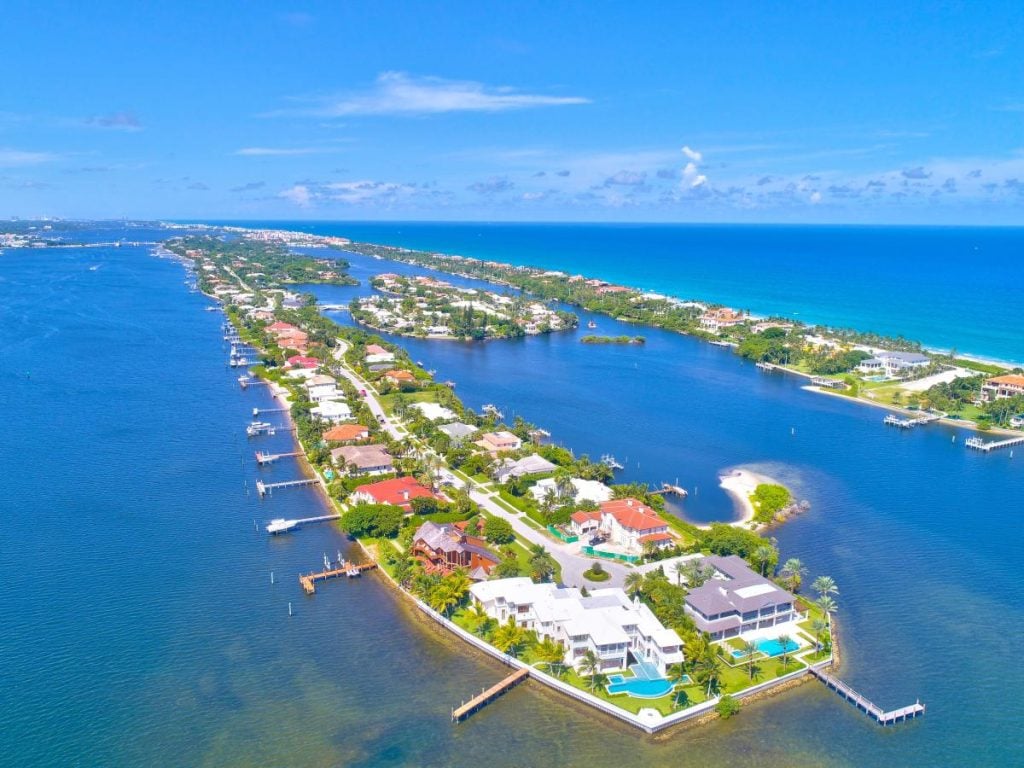
The municipal beach sits at the east end of Atlantic Avenue, and city materials describe 2 miles of uninterrupted beach just steps from downtown. That connection between downtown and the shoreline is one of the strongest lifestyle advantages in this market. If you want a setting where the beach feels like part of everyday life rather than a separate destination, Atlantic Avenue offers that.
Know the Entertainment Core
Not every home near Atlantic Avenue lives the same way. The closer a property is to East Atlantic, especially between Swinton and 5th Avenue, the more it tends to share in the area’s active dining and entertainment pattern. City planning materials describe this stretch as a compact, walkable shopping and entertainment district lined with sidewalk cafes, shops, services, and offices.
That matters because a residence directly in the core offers a different experience than one a few blocks away. Downtown regularly hosts evening events such as Art & Jazz on the Avenue and First Friday Art Walk. The Downtown Development Authority also notes that most restaurants stop serving dinner at 10 p.m. and that restaurants and bars close by 2 a.m.
Noise and Activity Matter
For many buyers, the biggest practical question is simple: how quiet will it be? There is no single published noise level for Atlantic Avenue, and the experience is best understood block by block. Public materials point to the most active sound profile being closest to the entertainment core and event areas.
The city treats noise as an active quality-of-life issue. Delray Beach directs noise complaints to Code Enforcement during business hours and to police non-emergency after hours, and the city code includes updated noise control provisions. For you as a buyer, that means it is smart to think carefully about how much energy you want outside your front door.
Parking and Getting Around
Convenience is a major part of Atlantic Avenue living, but parking and mobility should still be part of your decision. The city provides public parking lots, garages, and on-street spaces downtown. In addition, downtown transportation options include Freebee electric rides and the free Downtown Connect bus.
This setup supports a more car-light lifestyle than many South Florida locations. If you like the idea of parking once and walking through the district, Delray’s downtown structure makes that realistic. For second-home buyers in particular, that ease can make day-to-day ownership feel far more seamless.
What Luxury Buyers Can Choose From
A common misconception is that Atlantic Avenue living means condos and little else. In reality, the housing mix is broader, though the exact form depends on how close you are to the downtown core. City regulations and planning documents support higher-density residential uses in the Central Core, including mixed-use buildings with residences above commercial space.
That means buyers near the Avenue often encounter:
- Condominiums
- Mixed-use residences
- Live-work style properties
- Townhome-style urban residences in nearby areas
If your priority is to be in the middle of the action, these options often make the most sense. They fit the pedestrian-oriented design of downtown and align with the compact lifestyle many buyers want.
Where Single-Family Homes Fit In
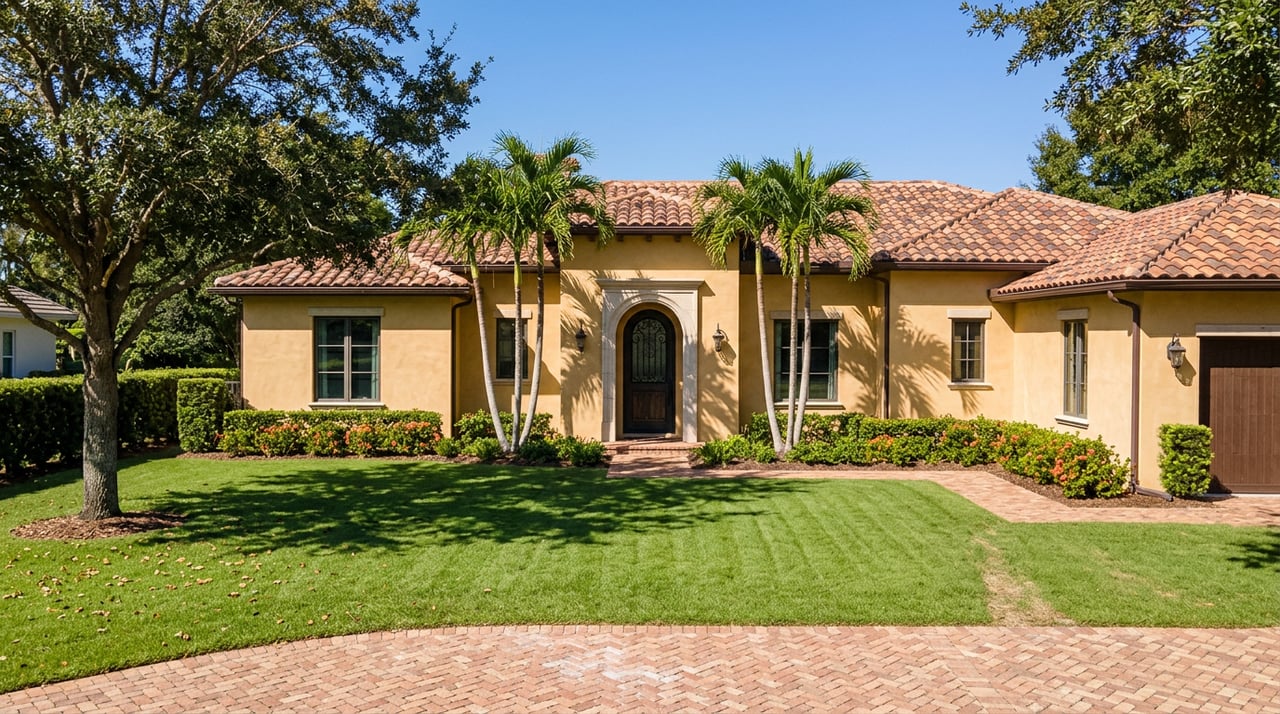
If you love the Delray lifestyle but want more privacy, nearby east-side and beach-area neighborhoods may offer a better fit. City neighborhood and planning documents show a mix of single-family, duplex, and multi-family structures in surrounding areas. They also note the unique residential character of places such as North Beach, Seagate, and Ocean.
This creates an important distinction for luxury buyers. Atlantic Avenue itself tends to lean toward downtown-style living, while surrounding neighborhoods can provide a more traditional residential setting with less street activity. If you want walkable access without living directly on the busiest blocks, that can be the sweet spot.
Beachside Has a Different Feel
The beachside sub-district east of the Intracoastal carries a lower-rise character. The city notes that this area is designed to preserve the commercial area and natural environment, with residential development limited to 12 dwelling units per acre and no further increases permitted because of coastal high-hazard constraints.
For you, that generally signals a more restrained physical environment than the downtown core. It can appeal to buyers who want proximity to Atlantic Avenue and the beach while still favoring a less dense feel. In luxury home searches, that difference can have a major impact on your daily experience.
How to Evaluate a Property Here
When you tour homes around Atlantic Avenue, lifestyle fit matters as much as the finishes. A beautifully designed residence can still feel wrong if the location does not support the routine you want. The most useful way to compare options is to filter each property through a few practical questions.
Consider these four points:
- How close is the home to the entertainment core?
- Is the street likely to be affected by nightlife or event traffic?
- Is the property a condo, mixed-use residence, townhome, or single-family home?
- Do you want to walk, bike, or rely on local shuttles more often than drive?
These questions help narrow the search quickly. They also make it easier to separate homes that look appealing online from homes that truly fit your lifestyle.
Atlantic Avenue vs Boca and Palm Beach
Luxury buyers often compare Delray Beach with other Gold Coast destinations. Atlantic Avenue offers a more organically downtown and beach-adjacent experience than many competing hubs. The result is a lifestyle that feels lively, mixed-use, and integrated rather than highly curated.
By comparison, Boca Raton’s downtown materials present a walkable district anchored in part by Mizner Park, with shopping, dining, residences, and a formal arts calendar. Palm Beach’s official materials and Worth Avenue descriptions emphasize luxury shopping, dining, hotels, and a more polished retail-centered setting.
The key difference is feel. Atlantic Avenue tends to suit buyers who want dinner, art, errands, and beach access woven into one routine. Boca Raton and Palm Beach may appeal more if you prefer a more formal or curated district atmosphere.
Who Atlantic Avenue Living Suits Best
Atlantic Avenue living works especially well if you want energy, convenience, and a strong sense of place. It can be a smart choice for buyers seeking a second home with easy access to restaurants, culture, and the beach. It can also appeal to those who value walkability and want a lifestyle built around experiences rather than long drives.
At the same time, it is not a one-size-fits-all market. If privacy, lower street activity, and a more residential feel sit at the top of your list, you may be happier just outside the core or in one of the nearby beachside neighborhoods. The right fit depends on how much of the Avenue you want in your everyday life.
If you are considering Atlantic Avenue or comparing Delray Beach with other luxury enclaves along the Gold Coast, a private, location-specific strategy matters. For discreet guidance and concierge-level insight, connect with The Jack Elkins Team.
FAQs
What is Atlantic Avenue in Delray Beach known for?
- Atlantic Avenue is known as the spine of downtown Delray Beach, with a walkable mix of dining, shopping, arts, wellness, and direct access to the beach at its east end.
What types of homes are near Atlantic Avenue in Delray Beach?
- Buyers near Atlantic Avenue will find condos, mixed-use residences, and live-work style properties in the downtown core, with more single-family options in nearby east-side and beach-area neighborhoods.
How noisy is living near Atlantic Avenue in Delray Beach?
- Noise levels vary by block, with the most active sound profile generally closest to the entertainment core and event areas along East Atlantic Avenue.
Can you live without driving much near Atlantic Avenue in Delray Beach?
- Yes. Downtown Delray Beach supports a car-light lifestyle with walkability, public parking, Freebee electric rides, and the free Downtown Connect bus.
How close is Atlantic Avenue to the beach in Delray Beach?
- The municipal beach is at the east end of Atlantic Avenue, and city materials describe 2 miles of uninterrupted beach just steps from downtown.
How does Atlantic Avenue compare with Boca Raton and Palm Beach?
- Atlantic Avenue offers a more mixed-use, beach-town downtown feel, while Boca Raton and Palm Beach tend to present a more polished or retail-centered district experience.