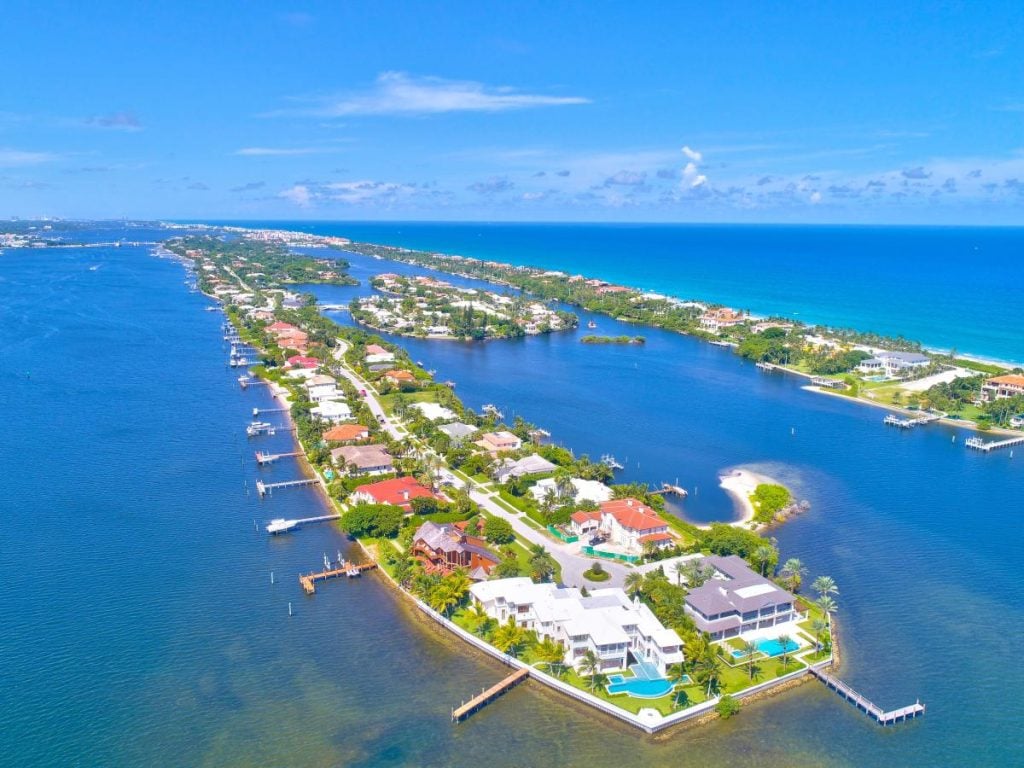
If you love the water, Delray Beach offers a choice most coastal towns envy. You can live directly on the Atlantic with toes-in-the-sand access, or settle along the Intracoastal Waterway with your boat at the back dock. Both lifestyles are exceptional, yet they feel very different day to day. This guide walks you through the key contrasts in lifestyle, cost, risk, and upkeep so you can choose with confidence. Let’s dive in.
Lifestyle: how you’ll live and play
Beach access and daily rhythm
If you want instant beach time, oceanfront living wins. You step out to unobstructed ocean views and sunrise skies, and you are moments from the sand. Depending on where you are along A1A, you may also be a pleasant walk or bike ride to Atlantic Avenue’s restaurants and shops.
Intracoastal living is about calm water and variety. You can paddleboard on sheltered waters, watch the boats go by, and enjoy wide water views with more lot depth in many sub-neighborhoods. You still reach the beach quickly by bike or car, but your daily rhythm centers on the waterway.
Boating and dockage
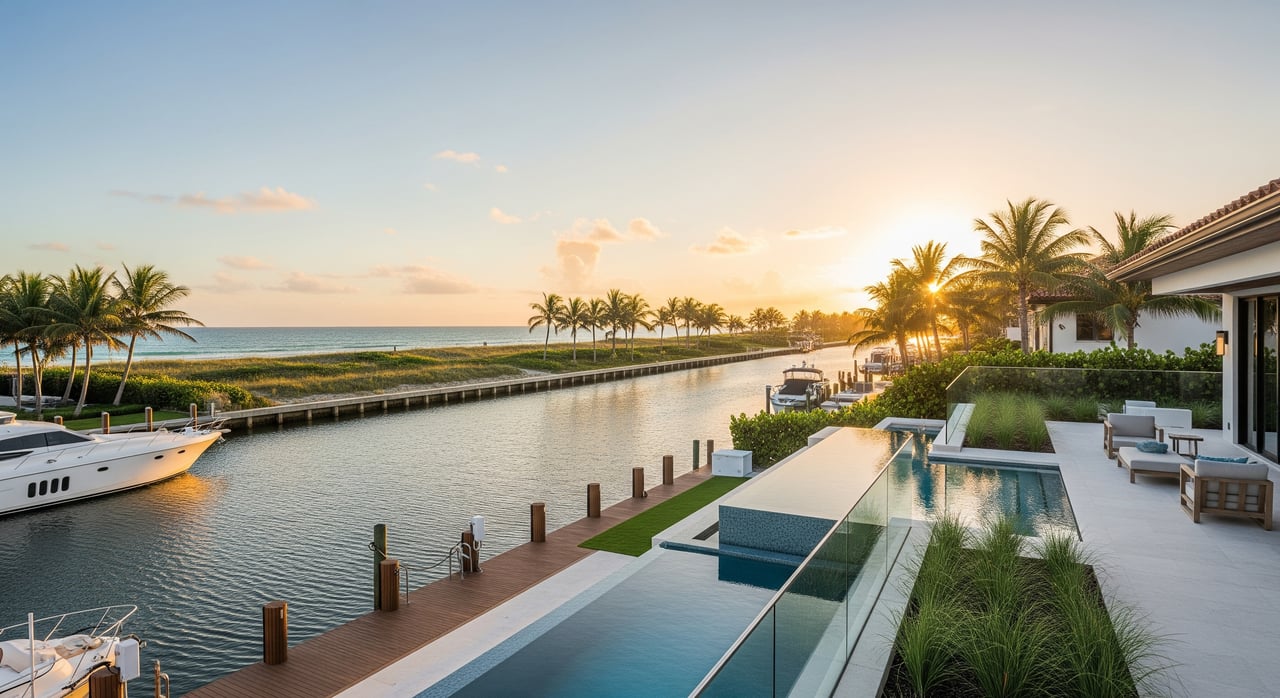
If boating is your priority, the Intracoastal is designed for it. Many homes offer private docks or community marinas with quick access to the Lake Worth Lagoon and out to the Atlantic through area inlets. Always confirm canal depth, bridge clearances, and navigational routes before you commit, as these details affect both enjoyment and value.
Oceanfront owners who boat typically trailer or keep vessels at nearby marinas. You get the surf and sand, but you give up the convenience of stepping from your lanai to your dock.
Privacy, views, and walkability
Oceanfront properties focus on expansive eastward views and the sound of the surf. High-floor condos and multi-level homes offer panoramas that feel uninterrupted. Walkability depends on your stretch of A1A, with areas closer to downtown delivering a more pedestrian lifestyle.
Intracoastal vantage points can feel broader, with wide water surfaces and vegetated banks. Lots can be deeper and spacing between homes can vary by sub-neighborhood, which may enhance privacy. Some pockets sit behind A1A and feel tucked away, while others are close to parkland and marinas.
Cost: purchase and ongoing expenses
Price drivers that matter in Delray Beach
In general, oceanfront commands a premium per square foot because of direct beach access and unobstructed ocean views. Intracoastal homes often trade at different price points based on lot size, dockage, and exposure, yet prime dock-ready estates can be just as high-value. The details that move the needle include view quality, development density, lot depth, and whether a private slip is included.
If you are comparing condos and single-family, remember you are also weighing different ownership structures. Oceanfront condos benefit from amenities and building services, while many Intracoastal estates offer more land and private marine infrastructure.
HOA, condo fees, and maintenance
Oceanfront condominiums often carry higher association fees due to amenities, elevators, life-safety systems, insurance, and coastal maintenance. In exchange, you may enjoy a turnkey lifestyle with on-site services.
Intracoastal single-family homes may have low or no HOA obligations, but you assume direct costs for seawalls, docks, and landscaping. Marine structures live in a harsh environment, so plan for periodic repair and eventual replacement over time.
Property taxes and homestead
Property taxes are set by Palm Beach County and local municipalities, with statewide homestead rules that apply countywide. For parcel-specific assessed values, exemptions, and millage, review your address with the Palm Beach County Property Appraiser. Your agent and CPA can help you model scenarios based on how you plan to use the property.
Rental and income potential
Oceanfront residences often see strong vacation demand when permitted, especially turnkey condos near the beach and downtown. Always confirm current short-term rental regulations in Delray Beach and your association’s rules, including any minimum lease terms.
Intracoastal homes with dockage attract boaters and longer-term renters who value water access. Yields vary with seasonality, occupancy, and regulation, so treat rental potential as a bonus rather than the only reason to buy.
Risk, insurance, and permitting
Flood zones and FEMA mapping
Both oceanfront and Intracoastal properties face coastal flood exposure, but the risk profile differs. Oceanfront parcels are more vulnerable to storm surge, wave action, and dune erosion. Intracoastal parcels can experience surge funneled along the waterway, seawall overtopping, king tide flooding, and drainage challenges during heavy rain.
Before you purchase, verify the parcel’s flood zone on the FEMA Flood Map Service Center. Your zone designation influences lender requirements and flood insurance premiums, and an elevation certificate can materially affect costs.
Homeowner, wind, and flood insurance
Coastal properties in Florida often pay higher premiums and face stricter underwriting for wind and hurricane risks. You can monitor market guidance through the Florida Office of Insurance Regulation and explore programs with the state’s insurer of last resort, Citizens Property Insurance Corporation, if needed. Flood insurance is commonly required in Special Flood Hazard Areas and is available through the National Flood Insurance Program and private markets.
Mitigation matters. Elevated construction, hurricane-rated openings, and compliant roof systems can improve insurability and reduce premiums.
Seawalls, docks, and permits
On the Intracoastal, seawalls and docks are essential infrastructure and are typically the owner’s responsibility to maintain. Work on marine structures often requires permits through Palm Beach County and state or federal agencies. Start with county resources and the Florida Department of Environmental Protection’s beaches and coastal systems to understand approvals, setbacks, and environmental protections that may apply to your project.
Oceanfront protection looks different. Dune systems and county or state beach projects help buffer storm energy and maintain beach width. Ownership and maintenance responsibilities depend on the property and jurisdiction, so review surveys, permits, and recorded documents during diligence.
Maintenance and long-term resilience
Salt, sun, and systems
Coastal conditions accelerate wear on metal, finishes, and mechanical systems. Expect more frequent exterior painting, corrosion-resistant fixtures, and proactive HVAC servicing. Oceanfront homes endure heavier salt spray and wind; Intracoastal homes ask more of submerged wood, pilings, and hardware.
Plan for recurring landscape care to manage salt-tolerant plantings and storm debris. A preventative maintenance schedule reduces surprises and preserves value.
Seawall and dock lifecycle
Seawalls and docks have finite lifespans. Ask for recent engineering reports, permits, and repair histories, and budget for reinforcement or replacement on an appropriate timeline. Design, materials, and site conditions drive costs. Given permitting lead times, it pays to get ahead of projects before issues become urgent.
Beach renourishment and sea level rise
Beach widths change over time, influenced by storms, currents, and nourishment projects. You can review county beach program updates through Palm Beach County Environmental Resources Management’s Beaches and Shorelines and state-level context via FDEP’s beaches and coastal systems. For long-term risk awareness, explore regional projections using the NOAA Sea Level Rise Viewer. These tools will not replace property-specific analysis, but they help you understand broader trends.
Which side is right for you
Choose oceanfront if you want the beach as your backyard, sunrise views, and the sensory experience of the Atlantic. You accept more wind and salt exposure and potentially higher condo or building costs in exchange for that immediate access.
Choose Intracoastal if boating and daily use of your dock define your lifestyle. You gain calmer waters, potential for deeper lots, and flexible outdoor living, while planning for seawall and dock stewardship over time.
Quick comparison:
- Oceanfront: direct beach access, premium views, potential for higher HOA and wind exposure, strong vacation appeal.
- Intracoastal: private dock potential, sheltered water recreation, seawall and dock maintenance, strong appeal to boaters and longer-term renters.
Buyer checklist for Delray Beach waterfront
Use this due diligence list to protect your investment:
- Verify FEMA flood zone and obtain an elevation certificate from the seller or a surveyor. Check the FEMA Flood Map Service Center for mapping.
- Request recent engineering and inspection reports on seawalls, docks, and any coastal or marine structures, including permits and designs.
- Secure homeowners, wind, and flood insurance quotes early. Consult resources from the Florida Office of Insurance Regulation and review options with Citizens Property Insurance if needed.
- Confirm HOA or condo rules, financials, special assessments, and rental restrictions. Ask for reserve studies and life-safety upgrades in coastal buildings.
- Review building code compliance for any substantial improvements that could trigger current standards, including elevation and wind design.
- For oceanfront, research beach renourishment history and dune management via Palm Beach County ERM’s Beaches and Shorelines and FDEP’s beaches resources.
- For Intracoastal, confirm canal depths, bridge clearances, and navigational routes that affect your vessel.
- Model ongoing maintenance budgets for paint, exterior metals, HVAC, seawall, dock, and landscape.
- If rental income is a goal, verify current Delray Beach regulations and your HOA’s policies before you buy.
- Consider resale horizon and buyer pools for 5 to 10 years, including how evolving climate perceptions may shape demand.
The local market context
Delray Beach sits within the West Palm Beach–Boca Raton–Delray Beach corridor in Palm Beach County. Inventory, pricing, and days on market change quickly at the waterfront level. Oceanfront condos often attract second-home and investor buyers who want amenities and convenience, while Intracoastal estates draw owners who prioritize private dockage and land.
To get true clarity, compare recent neighborhood sales, association health, and parcel-specific risk and insurance quotes side by side. The best choice is the one that fits how you plan to live, not just how a property looks on paper.
When you are ready to refine your shortlist, we combine dock and waterways expertise with discreet, concierge care across Palm Beach and the Gold Coast. From off-market sourcing and staging to introductions and yacht referrals, you get a single, trusted point of contact tailored to your lifestyle and privacy needs.
Ready to explore the best of both shores in Delray Beach and beyond? Request a private consultation with The Jack Elkins Team to move forward with confidence.
FAQs
Which has higher resale value in Delray Beach?
- Oceanfront often commands a higher price per square foot for direct beach access and unobstructed views, while prime Intracoastal estates with dockage and larger lots can be equally high-value depending on recent comps and buyer demand.
Do I need flood insurance for waterfront property?
- Lenders typically require flood insurance in Special Flood Hazard Areas, and it is advisable even outside those zones due to coastal risk; verify your parcel’s designation on the FEMA Flood Map Service Center.
How do insurance premiums compare for oceanfront vs. Intracoastal?
- Both face elevated coastal premiums, with costs driven by elevation, age, mitigation features, and carrier underwriting; consult the Florida Office of Insurance Regulation and explore options including Citizens Property Insurance.
Which side is better for boating access?
- Intracoastal properties with private docks are best for immediate boating, fishing, and paddle sports, while oceanfront owners often rely on marinas or trailering to access open water.
What happens if I rebuild after a storm?
- Substantial improvements typically trigger compliance with the current Florida Building Code, including elevation above base flood and stronger wind design, which can influence both construction cost and insurability.