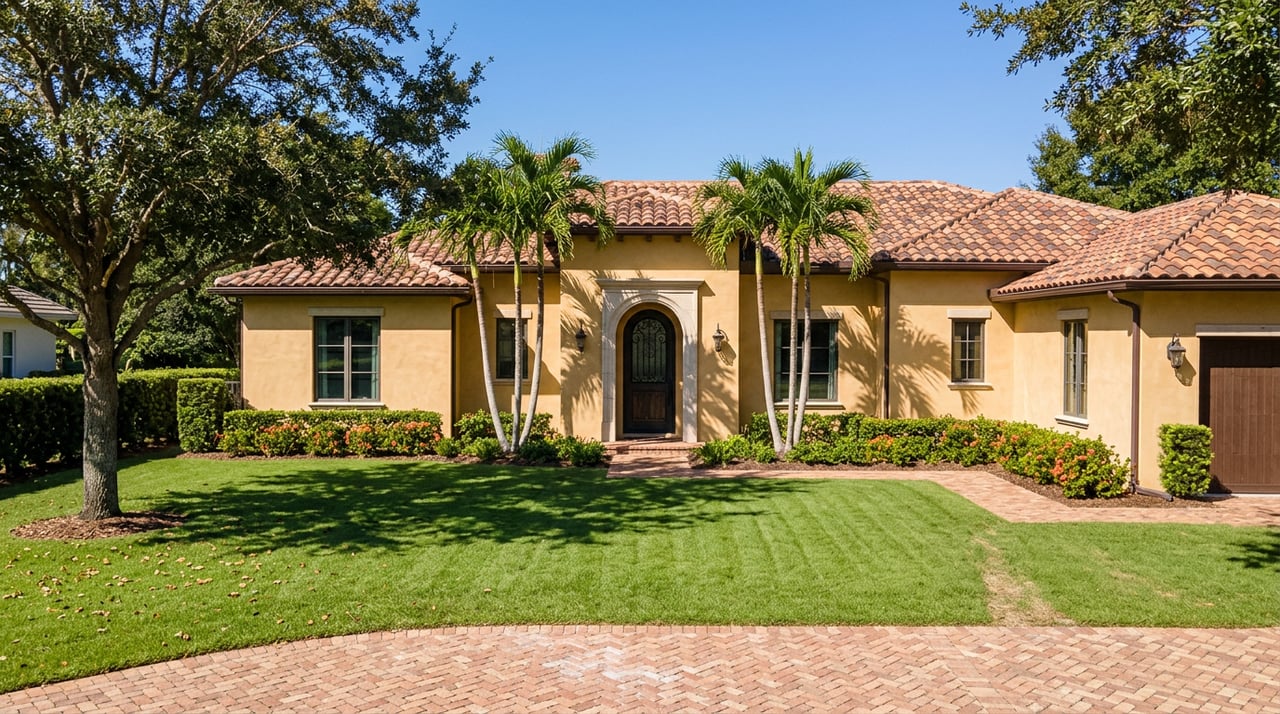
Looking at Jupiter Island because you value space, quiet, and a true beachfront lifestyle? You’re not alone. The island’s low density, large parcels, and coastal setting attract buyers who want privacy with seamless access to the ocean and Intracoastal. In this guide, you’ll learn what to evaluate before you buy: how privacy actually works on the island, how access and services affect daily life, and the regulatory and insurance essentials unique to a barrier island. Let’s dive in.
Why Jupiter Island is different
Jupiter Island is a narrow barrier island in Martin County, incorporated as the Town of Jupiter Island. It sits between the Atlantic Ocean and the Intracoastal Waterway, with a primarily residential character and a small population. Estates range from older cottages to new compounds, often on larger lots than nearby mainland communities.
The draw is simple: privacy, water frontage, and a serene pace. The tradeoff is added due diligence. A barrier island has limited road connections, coastal regulations, and specialized insurance and permitting. You will want to align your purchase goals with the island’s rules, access realities, and long-term maintenance needs.
Privacy: what to evaluate
Parcel size and site layout
Privacy feels different from one property to the next. Lot size, home placement, and vegetation buffers all matter. Ask for the recorded plat and a boundary survey to see exact setbacks, sight lines, and distances to neighboring structures.
If there is a homeowner association, review the covenants and rules that govern landscaping, fences, and wall heights. Town zoning can also influence vegetation removal and buffer design. Start with the Town’s resources to understand local standards at the Town of Jupiter Island.
Gates, private roads, and shared drives
Some homes sit behind private gates or along private roads. Confirm who owns and maintains the road or gate and whether there are cost-sharing agreements. Your title review should flag any road maintenance or access agreements that affect your responsibilities.
If a driveway is shared, ask for the recorded easement document. Verify how repairs and insurance are handled and whether delivery or contractor access has time or vehicle limits.
Easements and utility corridors
Recorded easements can allow others to access portions of a parcel for utilities, drainage, or foot traffic. Request a full title report with attachments so you can see all recorded easements and rights of way. Walk the site with the survey in hand to confirm locations on the ground.
Landscaping, fences, and dunes
On the ocean side, dune systems and coastal setbacks guide what you can plant, remove, or fence. Beach and dune vegetation plays a protective role and is commonly regulated. Before planning large privacy hedges or walls near the beach, confirm local rules with the Town and state coastal programs.
Activity and seasonal nuance
The island is quiet, but seasonal boating and visitor activity can increase traffic. Note the proximity to any public beach access points or marinas. If you plan to rent the home, confirm any rental rules in community documents and town ordinances.
Cameras, drones, and expectations
Florida and federal rules govern drone use and surveillance. Be mindful of respectful camera placement, and confirm any local ordinances that apply. A thoughtful plan protects your privacy while staying neighborly.
Privacy due diligence checklist
- Order a boundary and topographic survey; confirm setbacks and sight lines.
- Obtain a full title report to review easements and covenants.
- Review Town zoning and any HOA rules on fencing and vegetation.
- Confirm ownership and maintenance for private roads, gates, or shared drives.
- Ask the seller about existing security systems or gate agreements.
Access: roads, emergency, services, marine
Getting to and around the island
Access relies on specific bridges and roads. Confirm the primary and alternate routes to your property. Ask about weight or width limits for large deliveries or construction equipment. If you plan a remodel, understand required permits for oversized loads and staging areas.
Emergency and evacuation planning
Barrier islands have constrained evacuation routes. Identify your evacuation zone and review the county’s shelter and storm plans. You can start with Martin County resources to locate emergency management information and maps.
During diligence, ask for any history of site flooding or storm surge. Pair that with flood maps and an elevation certificate so you understand both risk and insurance requirements.
Beach and shoreline access
Florida’s public trust doctrine makes dry sand below the mean high water line public. Many Jupiter Island parcels include private beach frontage, but public access points are limited and defined by the municipality and adjacent parcels. Verify whether your deed includes a recorded beach access easement and whether any neighboring parcels benefit from access across your land.
Utilities and everyday services
Confirm whether the home is on municipal water and sewer or uses a well and septic system. Service availability affects permits, renovation scope, and future resale. Start by verifying providers and connection status through Martin County. Also confirm trash and recycling pickup, mail delivery type, and broadband or fiber options at the service address.
Marine access, docks, and water depth
If boating is important, examine dock permits, boat lifts, water depths, and navigation routes from the property. Many shoreline structures require state and sometimes federal approvals. For navigable waters and certain structures, review the U.S. Army Corps of Engineers Regulatory Program, and consult Florida DEP coastal requirements for docks or seawalls.
Contractor logistics and staging
Large projects need space for vehicles and materials. Ask the Town about construction hours, road widths, and staging rules. Confirm whether crews can use public rights-of-way or if staging must occur fully on your parcel.
Access checklist
- Map primary and alternate driving routes; check bridge limits.
- Review county evacuation zone and gather historical storm information.
- Confirm utilities, trash pickup, mail delivery, and broadband providers.
- Collect permits and records for docks, lifts, seawalls, and shoreline work.
- Ask about construction delivery rules and staging constraints.
Essentials: regulations, insurance, environment
Flood risk and insurance basics
Most barrier islands have Special Flood Hazard Areas. Use the FEMA Flood Map Service Center to find the property’s flood zone. Ask the seller for an elevation certificate if available, or order one as part of your survey so lenders and insurers can underwrite accurately.
Expect two key policies: flood insurance and homeowners coverage that includes wind. In Florida, windstorm coverage is often through private carriers or the state’s insurer of last resort based on market availability. Homes with modern wind mitigation features and newer roofs may see more favorable terms. Obtain quotes early so costs are clear before you remove contingencies.
Coastal construction rules and the CCCL
Oceanfront and near-ocean properties may be affected by the Florida Coastal Construction Control Line. Work seaward of this line faces added review to protect dunes, beaches, and habitat. Review the Florida Department of Environmental Protection’s CCCL program along with Town building requirements.
Confirm required elevations, foundation types, and hurricane-resistant design with your architect and engineer. The Florida Building Code applies, and you may need Town, county, and state approvals for certain scopes.
Sewer, septic, wells, and potable water
Determine if the parcel connects to public sewer or relies on an on-site septic system. For septic, ask for permit and service history and plan for inspections. If a well serves potable water or irrigation, order water quality testing for bacteria, nitrates, and salinity.
Also verify power configurations, including whether lines are underground or overhead. Backup power solutions are common in coastal zones; note any generator permits or equipment transfers.
Shoreline structures and submerged lands
Seawalls, revetments, and docks are major assets with permitting and maintenance needs. Request copies of permits, past repairs, and any submerged land leases. For state-owned submerged lands and certain coastal structures, the Florida DEP and the South Florida Water Management District permits portal can be useful references, along with the Army Corps for navigable waters.
Environmental protections and wildlife
Jupiter Island participates in regional sea turtle protections. Lighting near the beach must meet standards during nesting season. For guidance on compliant fixtures and shielding, review the Florida Fish and Wildlife Conservation Commission sea turtle lighting guidelines.
Native dune and shoreline vegetation often requires permits for removal or modification. If your plans may affect sensitive habitats, consult qualified environmental professionals early.
Taxes, fees, and recurring coastal costs
Review property taxes, any municipal or county assessments, and HOA fees if applicable. Budget for coastal maintenance, including seawall or dune care, exterior finishes, and periodic dock servicing. These items can be significant over time and should be factored into your total cost of ownership.
Resale, rentals, and use restrictions
Confirm short-term rental rules in town codes and any HOA documents. Some communities set minimum lease terms or require approvals. Also check for any conservation or historic easements that could limit future changes to structures, landscaping, or subdivision potential.
Buyer due diligence checklist
- Title search with easements, covenants, and road agreements; boundary and elevation surveys.
- Utility verification for water, sewer, electric, and broadband; septic inspection or sewer confirmation; well testing if present.
- Structural, roof, pest, and HVAC inspections; coastal-specific review of piles, seawalls, and docks.
- Copies of permits for docks, seawalls, lifts, and lighting; confirm any submerged land lease.
- Flood zone confirmation, elevation certificate, and early insurance quotes for flood and wind.
- Review Town and county ordinances on coastal construction, lighting, and vegetation.
- HOA rules, financials, and rental policies if applicable.
A smart sequence and timeline
- Pre-offer: request recent surveys, permits, HOA documents, and insurance quotes. If boating is key, speak with a marine contractor about depth and navigation.
- Under contract: order boundary and elevation surveys; schedule structural, roof, pest, and septic inspections; verify utilities; complete title review and confirm easements and road agreements.
- Permit history: obtain copies of open and closed permits; verify no code violations or stop-work orders.
- Closing prep: bind insurance, coordinate utility transfers, and secure any HOA estoppel or approvals.
Local resources you can trust
- Town governance, permitting, and contacts: visit the Town of Jupiter Island.
- County utilities, records, and emergency info: explore Martin County.
- Parcel data, tax history, and legal descriptions: check the Martin County Property Appraiser.
- Flood zone maps and guidance: use the FEMA Flood Map Service Center.
- Coastal construction and CCCL: see the Florida DEP CCCL program.
- Sea turtle lighting rules: review the FWC sea turtle lighting guidelines.
- Docks and navigable waters permitting: consult the U.S. Army Corps Regulatory Program.
- Water management and environmental resource permits: visit SFWMD permits.
Buying on Jupiter Island is about preserving a lifestyle that values privacy, oceanfront access, and thoughtful stewardship. With the right plan and team, you can move from discovery to closing with confidence. If you would like discreet guidance tailored to waterfront estates, docks, and off-market opportunities, connect with The Jack Elkins Team for a private consultation.
FAQs
Are beaches private on Jupiter Island?
- The dry-sand area below the mean high water line is public, but access points are limited; verify any deeded beach access or nearby municipal access.
What insurance should I expect for a Jupiter Island home?
- You will likely need flood coverage if in a Special Flood Hazard Area and a homeowners policy with wind; obtain quotes early using an elevation certificate.
How do I confirm sewer or septic service for a property?
- Verify service with Martin County and review permit history; order a septic inspection or sewer connection confirmation as part of diligence.
Can I build or modify a dock or seawall on the Intracoastal?
- Possibly, but coastal and state permits are typically required; request existing permits and consult Florida DEP and the U.S. Army Corps for approvals.
How does hurricane evacuation work for the island?
- Barrier-island routes are limited; identify your evacuation zone and review Martin County emergency plans before season.
Are there lighting rules because of sea turtles?
- Yes. Beachfront lighting often must be turtle-friendly during nesting season; follow FWC guidance and local ordinances when designing fixtures and controls.