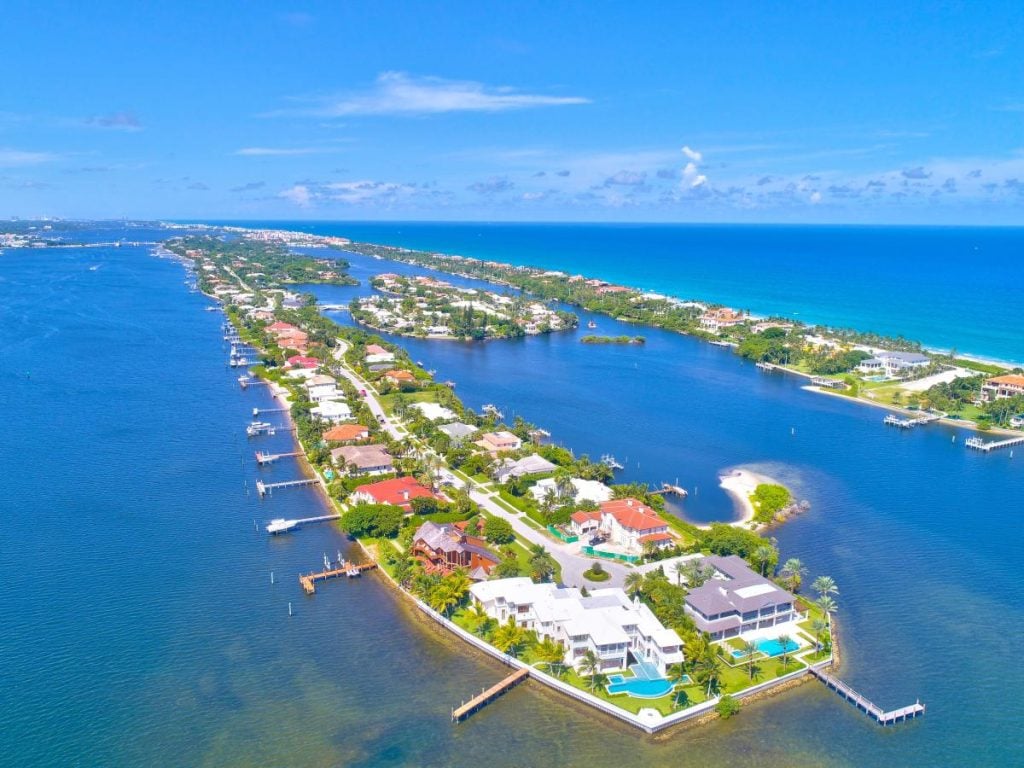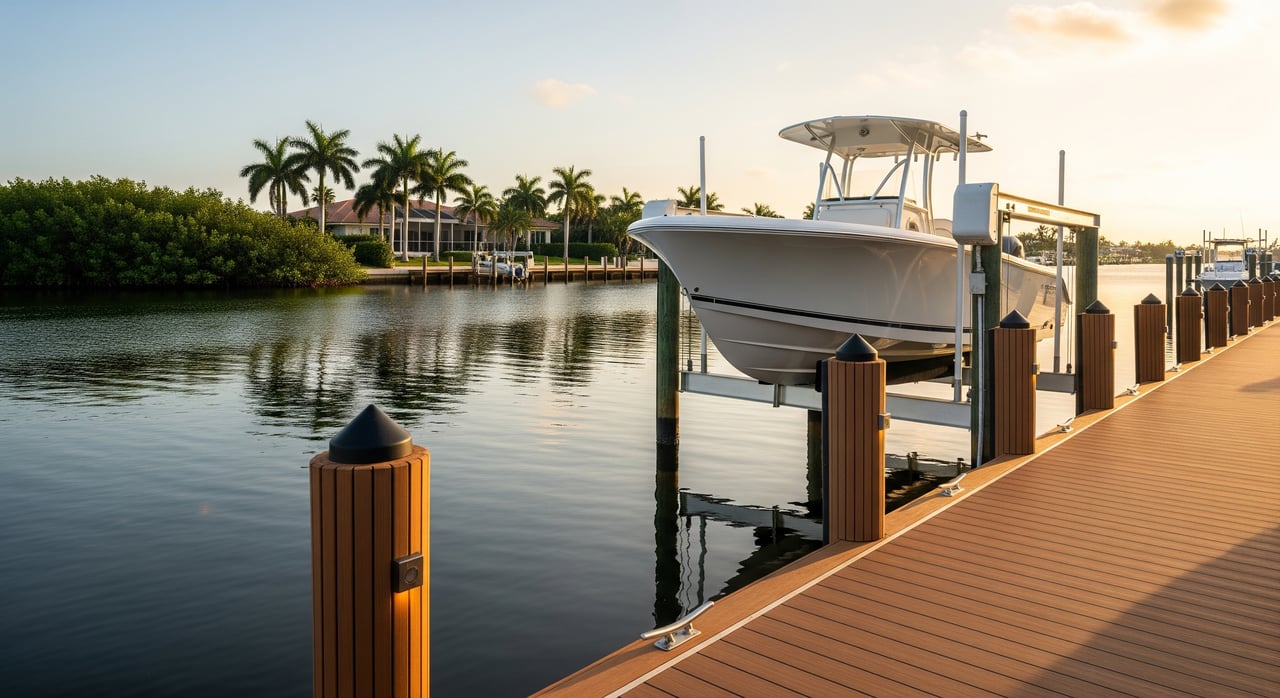
Picture this: you step outside your Hypoluxo Island home and your boat is ready within minutes. The right dock and lift make that lifestyle effortless, but the details can feel complex. You want clarity on permits, design, costs, and what it takes to protect your investment. This guide covers the essentials for Lake Worth Lagoon properties so you can plan with confidence and avoid missteps. Let’s dive in.
Permits and approvals: who and when
Who reviews your project
Your project may involve several agencies. The U.S. Army Corps of Engineers reviews work in navigable waters. The Florida Department of Environmental Protection oversees state environmental resource permits and submerged lands authorization when structures extend waterward of the mean high water line. Palm Beach County’s Environmental Resources Management and Building Division, plus the Town of Lantana, handle local permits. Homeowners’ associations can add design rules and limits.
What triggers a permit
New docks, expansions, substantial repairs, boat lift installations, and any dredging usually require permits. Work seaward of the mean high water line or anything that affects seagrass, wetlands, or the lagoon bottom will trigger review. Fixed pilings and dredging need explicit authorization. Always confirm requirements with county and town staff before you start design.
What to expect in the process
Plan for overlapping reviews and site-specific conditions. You will likely need a site plan, survey showing mean high and low water lines, a proposed footprint, depth and bathymetry details, and construction methods to control turbidity. Licensed contractor information is often required. A preliminary consultation with Palm Beach County ERM or a marine permitting specialist can save time.
Riparian rights and submerged lands
Florida riparian rights allow access and certain wharf-building privileges, but they do not override public trust or permitting requirements. Portions of the lagoon bottom may be state-owned, which can require a submerged lands lease or authorization. The goal is safe access without harming navigation or sensitive habitats.
Plan your site on Lake Worth Lagoon
Depth, tides, and channels
Start with water depth at mean low water at your seawall and where you plan to berth. Depth determines dock length and whether you need a reach dock to deeper water. Consider tidal variation and how your boat drafts when loaded. Study channel locations and boat traffic so your dock does not conflict with navigation.
Seawall health and elevation
Your dock depends on a sound seawall. If the seawall is compromised, repair it before any marine construction. Confirm elevation against local high-water events and provide proper connections or independent pilings where needed.
Wind, wake, and clearances
Open stretches of the lagoon can experience frequent wake from passing vessels. Size and anchor your dock and lift to handle dynamic loads. Maintain setbacks from neighbors and provide safe clearances for navigation based on local rules.
Environmental constraints
Mapped seagrass beds, mangroves, or wetlands can shape your design. You may be required to minimize shading or use light-permeable decking. In some cases, mitigation is needed if impacts are unavoidable.
Design your dock and lift
Fixed vs floating docks
Fixed pile-supported docks provide stability and a long service life. Floating docks adjust with tides and can help where wave action is a concern, though they are not ideal in heavy-wake zones. Your choice depends on depth, exposure, and local permitting conditions.
Boat lift types at a glance
- Cable or winch lifts: cost-effective with wide use, but cables need regular inspection and replacement.
- Hydraulic lifts: smooth, quiet, and strong with higher capacities, though they carry higher upfront and maintenance costs.
- Vertical platform lifts: compact footprint that raises a platform straight up, best where tidal range is small.
- Floating and pontoon lifts: simple to install and remove, but more vulnerable in high-wake areas.
- Davit lifts: ideal for tenders or personal watercraft when space is tight.
Power and controls
Electric motors usually require shore power that meets code with GFCI protection. Many systems offer wireless remote controls for ease of use. Consider battery backup or manual options if power loss is a concern, and plan the electrical scope early.
Materials and corrosion
In saltwater, marine-grade aluminum and stainless steel are standard. Use sacrificial anodes to manage galvanic corrosion and replace them as they wear. Protective coatings and regular freshwater rinsing can extend service life for mechanical parts and hardware.
Capacity and sizing
Select a lift that exceeds your boat’s dry weight, including engines, fuel, water, and gear. Allow a safety margin to protect the system and your vessel. Manufacturer specifications and local marine contractors can help you size correctly.
Budget, contractors, and timing
What drives cost
Several factors influence total cost more than a simple price-per-foot. Site access, barge or crane needs, and any dredging can add significantly. Permitting, environmental surveys, and possible mitigation can also add to the budget. Materials, lift type, electrical work, and any necessary seawall repairs carry their own line items.
Choosing a contractor
Hire a licensed marine construction firm with Florida and island experience. Verify licensing and insurance and ask for examples of completed work on Hypoluxo Island or nearby in the Lake Worth Lagoon. Clarify what permitting assistance and warranties they provide. References are essential when working over water.
Financing and budgeting
Most docks and lifts are paid out-of-pocket, though some owners fold costs into mortgage-financed renovations when a lender allows it. Permits and surveys can add 5 to 20 percent to the project. Build contingency for access challenges and specialized equipment.
Maintenance, safety, and storms
Routine care checklist
- Inspect pilings, fasteners, decking, and lift cables or straps seasonally.
- Replace sacrificial anodes as they are consumed to protect metal parts.
- Clean marine growth from submerged components to maintain performance.
- Lubricate moving parts per manufacturer guidance and check electrical enclosures for water intrusion.
Safe daily operation
Confirm lift capacity matches your vessel. Center the boat, use approved bunks or chocks, and follow the manufacturer’s instructions. Keep nonoperators and children clear during lift operation and avoid leaving unsecured gear on the dock.
Hurricane season prep
In South Florida, many owners remove boats from lifts and store onshore or in dry stack when storms approach. Others secure vessels on the lift with heavy-duty straps and raise them above predicted surge if the system is designed for it. Remove canopies, secure loose items, follow manufacturer or contractor guidance, and document conditions with photos for insurance.
Environmental and neighborhood impacts
Seagrass and mangroves
Dock shading can affect seagrass health, so authorities may limit width, length, or require elevated, light-permeable decking. Mangrove trimming and removal are tightly regulated and may need permits beyond standard dock reviews. Expect conditions aimed at minimizing habitat impacts.
Turbidity and construction
Piling installation, dredging, and barge work can stir sediment. Permits often require turbidity controls and may specify timing windows to avoid sensitive species seasons. A thoughtful construction plan reduces risk and speeds approvals.
Navigation and markers
Your design must not obstruct public navigation channels. Reviews may require lights, markers, or guardrails for safety. Maintain clear lateral setbacks to protect neighboring access and avoid disputes.
Best practices
Use low-light-permeable decking where possible. Keep the dock footprint minimal and build over open water instead of seagrass beds when feasible. Schedule work to respect environmental windows if required by authorities.
Insurance, liability, and resale
Insurance checks
Review your homeowners policy and any inland or watercraft endorsements for how docks and lifts are covered. Flood insurance may apply to certain structures, but coverage for docks can vary and may have limits. Verify contractor insurance and bonding during construction.
Neighbor relations
Mooring and lift placement must not interfere with adjacent access or navigation. You are responsible for your structures and any damage stemming from them. Clear communication and proper setbacks prevent conflicts.
Resale value and documentation
A well-permitted, well-maintained dock and lift can be a powerful selling feature for buyers who want instant boating access. Poor condition, missing permits, or looming repairs can depress value and complicate closings. Keep permits, surveys, and maintenance records organized for buyer review.
Pre-project checklist for Hypoluxo Island
- Confirm waterfront boundaries and get a current survey showing mean high and low water lines.
- Inspect the seawall and schedule repairs before dock or lift work if needed.
- Contact Palm Beach County ERM for a pre-application conversation to review requirements.
- Check Town of Lantana building and zoning rules and any HOA covenants.
- Hire a local marine contractor with Lake Worth Lagoon experience and strong references.
- Order required environmental surveys, including seagrass or benthic mapping, if needed.
- Submit applications to county, state, and federal agencies as required and wait for approvals before construction.
- Plan for ongoing maintenance, including electrician checks and annual anode inspections.
Considering a move or upgrade?
Whether you are buying a new waterfront residence or optimizing a current one, you deserve a dock and lift plan that fits your vessel, lifestyle, and the lagoon. Our team pairs deep local waterways knowledge with discreet, concierge guidance so your decisions are informed and stress-free. If you want a private, expert conversation about Hypoluxo Island properties and dock readiness, connect with The Jack Elkins Team.
FAQs
Do I need permits for a private dock or lift on Hypoluxo Island?
- In South Florida, most docks and lifts require permits at the county level and often state or federal review when work extends waterward of mean high water or affects submerged lands; confirm with Palm Beach County ERM and the Town of Lantana.
Can my current lift handle a larger boat in Lake Worth Lagoon?
- Not necessarily; capacity depends on the lift rating, dock design, slip dimensions, and clearances, so verify vessel weight and draft before purchasing or modifying a boat.
Will a permitted dock add value when selling in Lantana?
- A properly permitted, well-maintained dock and lift can increase buyer appeal and value, while poor condition or missing permits can create risk and delay.
What maintenance keeps a saltwater lift reliable on the island?
- Inspect cables or straps, replace anodes as they wear, clean marine growth, lubricate moving parts, and check electrical enclosures for water intrusion per manufacturer guidance.
How should I prepare my dock and boat lift for hurricanes in Palm Beach County?
- Remove the boat to onshore storage when possible or secure it on the lift with heavy-duty straps and raise above forecast surge if allowed; remove canopies, secure loose items, and document conditions for insurance.