If privacy matters as much as price, selling a Jupiter Island estate takes a very different playbook. You are not just listing a home in a broad public market. You are navigating a small, high-value, low-volume submarket where confidentiality, preparation, and careful positioning can shape the outcome. This guide will walk you through how a discreet estate sale works on Jupiter Island and what to do before your property ever reaches the market. Let’s dive in.
Why discretion matters on Jupiter Island
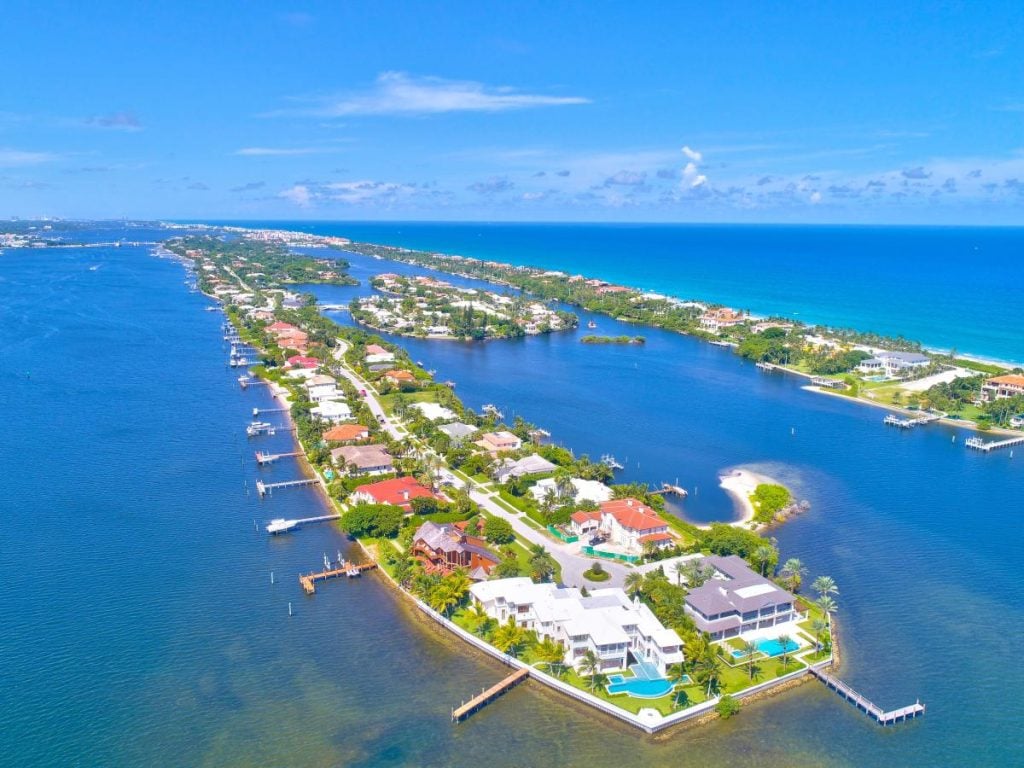
Jupiter Island is not a typical coastal market. The town’s comprehensive plan describes a 1,643-acre barrier-island community with nine miles of ocean frontage, the Intracoastal Waterway to the west, and a low-density residential pattern built around tranquility, seclusion, and safety.
That setting influences how estates are bought and sold. The town is defined primarily by secluded single-family estates and conservation or preservation land uses. In a place shaped by privacy, many sellers want a process that protects their time, their household routine, and their public visibility.
Jupiter Island is a thin-data market
Public market data can be useful, but on Jupiter Island it only tells part of the story. As of March and April 2026, Martin County showed a median listing price of $520,000, about 2,413 homes for sale, and a median 69 days on market. Jupiter Island, by contrast, showed 32 homes for sale, a median listing price of $18.875 million, and 91 days on market.
Sold data also shows how small the sample can be. Redfin’s March 2026 figures reported a Jupiter Island median sale price of $5.3 million based on only six closed sales. MIAMI’s Q1 2026 South Florida luxury report also noted that its Jupiter Island luxury threshold was based on one sale transaction and did not include off-market sales.
The takeaway is simple: public numbers here are directional, not definitive. If you are selling a trophy or legacy property, the market should be read through the lens of your specific estate, not broad averages.
Build a private pre-listing file first
A discreet sale usually starts long before photos, tours, or pricing conversations. One of the smartest moves you can make is to assemble a quiet pre-listing file so qualified buyers can review a complete, organized property story when the time comes.
That file often includes:
- Title and ownership records
- Survey and boundary information
- Permit history
- Improvement records
- Dock and seawall documentation
- Pool records
- Service and maintenance logs
- Entity, trust, or signature paperwork if needed
The Martin County Property Appraiser allows real property searches by parcel ID, account number, subdivision, address, or owner last name. The office states that values are updated twice a year and ownership data generally follows recorded data within about a month, which can help confirm the baseline record before launch.
Waterfront systems deserve extra attention
On Jupiter Island, due diligence often extends beyond square footage and finishes. The town’s infrastructure element states that most residential and developed properties use on-site septic tanks, with public sewer limited to the Jupiter Island Club and the 600 Block of South Beach Road.
That means buyers may focus closely on how the property functions day to day. If your estate includes waterfront improvements, guest accommodations, or older systems, clean records can help reduce friction and shorten the question-and-answer cycle.
The town’s comprehensive plan also states that accessory housing units are allowed on single-family lots to accommodate guests and employees. If your estate has that feature, clear documentation can help buyers understand the property’s configuration and use.
Price the estate, not the ZIP code
On Jupiter Island, pricing should be built from a property-specific comp set. Countywide medians and even island-wide dashboards can miss the factors that matter most in this kind of sale.
Value can shift materially based on details such as:
- Oceanfront versus Intracoastal frontage
- Lot depth and site orientation
- Dockage and waterfront usability
- View corridors
- Privacy from road and neighboring properties
- Renovation quality and design execution
- Guest accommodations
- Architectural significance
Because public data is thin, a seller often benefits from a pricing corridor rather than a single hard number. That approach allows you to evaluate how the market may respond while preserving room for negotiation strategy.
Why pricing discipline matters now
Even ultra-luxury buyers pay attention to value and timing. Realtor.com’s 2026 forecast projected a balanced national market, mortgage rates averaging 6.3%, modest home price growth of 2.2%, and active listings rising nearly 9%.
For a Jupiter Island seller, that reinforces an important point: if a property misses the market on price, the marketing period can stretch and negotiations can become more difficult. In a private or low-noise sale, long exposure can work against the sense of control many sellers want.
Off-market is not one thing
Many owners say they want an off-market sale, but that term can mean several different visibility levels. In Stellar MLS, the main privacy-oriented options do not work the same way.
According to Stellar, an Office Exclusive keeps the listing within the firm. Temporary Exclusion suppresses broader exposure while the seller finalizes preparations. Delayed Distribution keeps the listing active in MLS but delays public IDX and syndication for five calendar days.
Stellar also defines public marketing broadly. It includes social media, flyers, yard signs, brokerage website displays, digital marketing on public websites, and emails. That is why a discreet sale requires clear written agreement on what can and cannot be shared before any marketing begins.
Choosing the right visibility strategy
The right approach depends on your goals. If maximum privacy is the priority, Office Exclusive is the most restrictive option described by Stellar. If you want MLS cooperation without immediate portal exposure, Delayed Distribution may offer a middle ground.
If the property is not quite ready and you want no public marketing while preparation is underway, Temporary Exclusion may fit. The important point is that off-market is a spectrum, and each choice affects who sees the property, when they see it, and how much public trace the sale leaves.
Curated outreach works better than broad noise
For many Jupiter Island estates, discreet marketing is less about mass exposure and more about qualified exposure. A seller-approved outreach plan can help preserve privacy while still reaching serious buyers.
That often includes:
- A defined list of qualified brokers
- One-to-one broker communication
- Invitation-only showings
- Written approval on any marketing language or imagery
- A clear schedule for when visibility may expand, if needed
Stellar states that broker-to-broker communication is permitted for Office Exclusives, while public marketing during an exclusion period is not. It also notes that public marketing can trigger Clear Cooperation, which is why the communication plan should be set before the first image, email, or announcement is released.
Legacy and trust-owned sales need early coordination
If your estate is held in a trust, LLC, or family ownership structure, the sale process should begin with coordination, not urgency. Questions about who has authority to sign, what documents are needed, and how timing should be managed are best addressed early.
A smooth process often involves aligning your real estate team with your attorney, CPA, trust or estate counsel, title company, and insurance adviser. This does not mean making the process more complicated. It means reducing avoidable delays once a serious buyer appears.
Documentation can protect leverage
Because Jupiter Island is a barrier island with a sensitive coastal framework, buyers are likely to review flood, insurance, permit, and improvement records carefully. If those materials are gathered early, you are in a stronger position to answer questions promptly and keep negotiations focused.
This is especially important for waterfront estates where seawalls, docks, pools, septic systems, and prior improvements may become part of the buyer’s review. In many cases, discretion is not just about limiting visibility. It is also about creating a calm, well-managed process behind the scenes.
What discreet representation should deliver
On Jupiter Island, strong representation is measured by more than marketing polish. Sellers often need a team that can protect confidentiality, value a waterfront asset accurately, and coordinate a low-noise process from preparation through closing.
That means understanding visibility options, organizing due diligence before launch, and communicating with precision. It also means respecting that for many owners, an estate sale is tied to family legacy, long-held routines, and personal privacy, not just a transaction.
If you are considering a discreet sale on Jupiter Island, the best first step is a private strategy conversation. The goal is not to rush your property to market. It is to choose the right pricing corridor, visibility level, and preparation plan so you can move forward with confidence. For confidential guidance tailored to your estate, contact The Jack Elkins Team.
FAQs
What does a discreet Jupiter Island estate sale usually involve?
- A discreet Jupiter Island estate sale often involves a private pre-listing file, a tailored pricing strategy, controlled broker outreach, and carefully limited public visibility based on the seller’s goals.
What is the difference between Office Exclusive and Delayed Distribution in Stellar MLS?
- According to Stellar MLS, Office Exclusive keeps the listing within the firm, while Delayed Distribution places the listing in MLS but delays public IDX and syndication for five calendar days.
Why is pricing a Jupiter Island estate different from pricing a typical Martin County home?
- Jupiter Island has a very small number of sales and listings, so pricing is usually based on a property-specific comp set that weighs frontage, privacy, dockage, views, improvements, and architectural significance.
What property records should sellers gather before listing a Jupiter Island estate?
- Sellers should usually gather title and ownership records, surveys, permit history, improvement records, dock and seawall documentation, pool records, service logs, and any entity or trust paperwork needed for signatures.
Why do buyers ask about septic, permits, and waterfront improvements on Jupiter Island?
- The town’s planning documents state that most developed residential properties use on-site septic systems, so buyers often want clear records on how the property functions and what improvements or systems may need review.
When should a trust or family entity start coordinating a Jupiter Island sale?
- Coordination should begin early so the seller’s real estate representative, attorney, CPA, title company, and other advisers can confirm signing authority, timing, and documentation before a buyer is at the table.