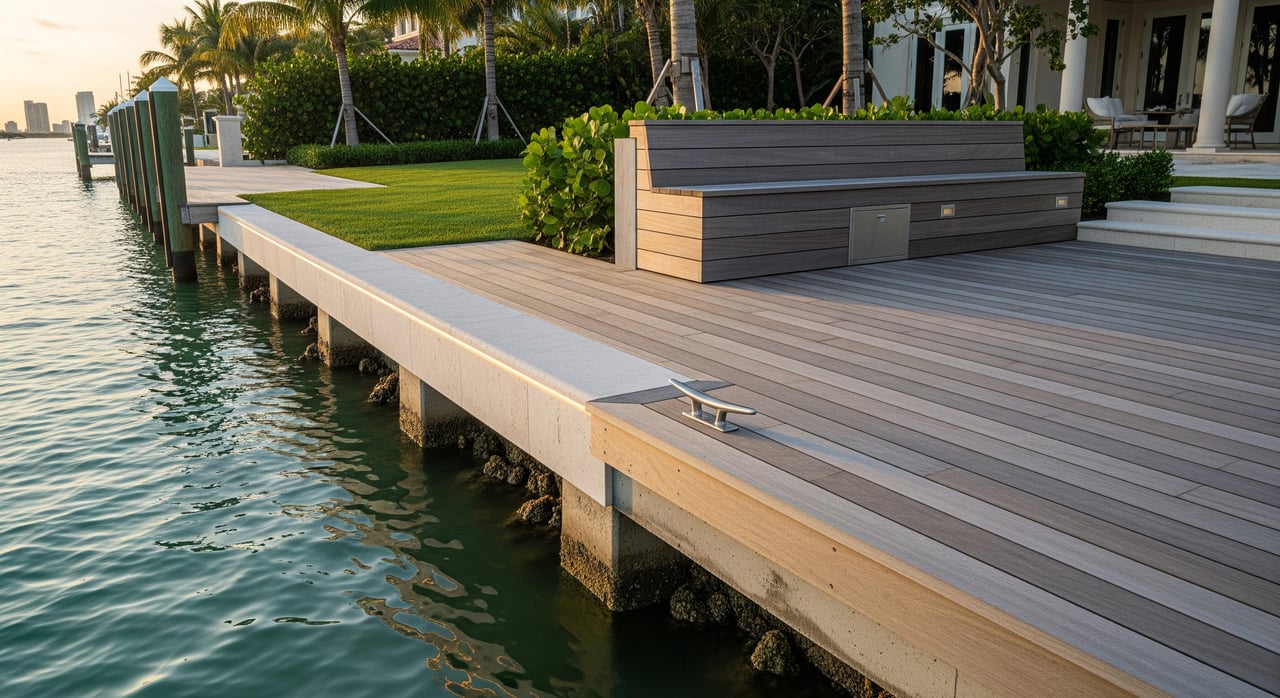
Planning a new seawall or dock for your Manalapan estate can feel like navigating a maze. The water is your greatest luxury, but it also brings complex rules, engineering choices, and environmental sensitivities. You want a durable, elegant solution that protects your shoreline, fits your boating lifestyle, and clears approvals without delays. This guide walks you through the essentials for Manalapan and greater Palm Beach County so you can plan with confidence and avoid costly surprises. Let’s dive in.
Start with site-specific factors
Every waterfront in Manalapan is different. Your permit path and design specs depend on your exact shoreline conditions and the waterbody you front.
Map your shoreline and rights
Your first step is a current property survey that identifies the mean high-water and mean low-water lines and clarifies riparian rights. Confirm who owns the submerged land in front of your property. In many cases these are state sovereign submerged lands, which can trigger additional authorizations. Document any existing structures and their condition to guide repair vs. replacement decisions.
Flood zones and storm exposure
Manalapan sits in a hurricane-prone coastal zone. Check FEMA Flood Insurance Rate Maps to understand your Base Flood Elevation and local elevation requirements. These factors influence wall height, dock freeboard, utilities placement, and insurance. Designs in Palm Beach County should account for storm surge, wave action, and wind loads from the start.
Bathymetry and navigation
Shallow bottoms and navigation channels drive dock length, piling needs, and boatlift placement. Obtain bathymetry and channel depth information so your dock is safe, navigable, and within local limits on projection into waterways. Confirm clearances relative to neighbors and public channels to respect riparian rights and avoid conflicts.
Permits and agencies you’ll work with
Coastal construction in Manalapan involves federal, state, county, and town layers. Early coordination helps you avoid rework and delays.
Federal authorizations
The U.S. Army Corps of Engineers regulates structures and work in navigable waters under Section 10 and Section 404. Smaller dock and seawall projects may qualify for Nationwide Permits. Larger or more complex designs, or those with environmental impacts, can require Individual Permits and longer review times.
State approvals
The Florida Department of Environmental Protection oversees coastal construction and authorizations for state sovereign submerged lands when your structure extends over them. If your project occurs seaward of the mean high-water line or affects submerged lands, expect FDEP review and, when applicable, lease or authorization requirements.
County and Town requirements
Palm Beach County reviews certain environmental items such as mangrove trimming or removal and shoreline work. The Town of Manalapan’s building department will require building permits, inspections, and adherence to local dock and seawall standards and zoning setbacks. You will also need to comply with FEMA floodplain rules at the local level.
Wildlife and seasonal protections
Agencies coordinate to protect sensitive species including sea turtles and manatees. The Florida Fish and Wildlife Conservation Commission and NOAA Fisheries may require safeguards, monitoring, or seasonal in-water work windows. Plan your schedule around these conditions to keep your project moving.
Permitting timelines and sequencing
A realistic timeline helps you set expectations:
- Preliminary feasibility and surveys: typically 2 to 8 weeks.
- Engineering plans and environmental surveys: often 4 to 12-plus weeks depending on complexity.
- Agency reviews: a few months for straightforward projects; 6 to 12-plus months for complex cases or those needing mitigation or individual federal permits.
Pre-application meetings with agencies and early environmental screening can reduce surprises later.
Seawall design choices that last
In Palm Beach County’s saltwater, materials and detailing make the difference between decades of service and early failure.
Materials and system types
Common options include concrete panel walls with concrete caps, steel sheet pile systems, vinyl sheet piling, and stone revetments where appropriate. Composite tiebacks and geotextiles are often part of modern systems. Your choice should align with wave energy, soil conditions, and desired lifespan.
Geotechnical and toe protection
Subsurface borings are key to sizing piles and tiebacks and setting proper toe depth. To prevent undermining, include toe or scour protection such as riprap aprons or scour mats, especially in high-energy or vessel traffic areas. The toe detail is a common failure point when underdesigned.
Drainage and corrosion control
Proper drainage behind the wall matters. Weep holes and relief pipes help relieve hydrostatic pressure and reduce erosion. In marine environments, specify corrosion-resistant reinforcing, coatings, or cathodic protection for steel components to extend service life.
Dock and boatlift specifications
Your dock should balance lifestyle needs with structural and regulatory constraints.
Fixed vs. floating docks
Fixed pile-supported docks are common on the Intracoastal and canals, while floating sections may suit variable water levels or access requirements. Each option has tradeoffs in stability, maintenance, and cost. Match the system to your boat size, wave environment, and access preferences.
Piles, decking, and utilities
Pile materials range from timber to concrete, steel, or composite, each with different load capacities and durability. Decking may be treated timber, tropical hardwoods, composite, or aluminum/plastic boards. Marine-grade electrical with GFCI protection is required. Adding potable water or pump-out facilities can trigger added reviews and standards, so integrate utilities into early design.
Boatlifts and storm readiness
Boatlifts must be designed for site wind and wave loads, with proper anchorage and manufacturer-compliant installation. Your plan should address how lifts are operated or secured during storms. Verify that dock size, lift capacity, and placement respect navigation and local length and width limits.
Placement and riparian considerations
Dock projection, distance to channel, and spacing from neighboring docks must honor riparian rights and local codes. Confirm channel and fairway clearances and keep structures within approved footprints to streamline approvals.
Build for resilience and sea-level rise
You are investing for the long term. Plan for changing conditions during your design life.
Freeboard and future adjustments
Options include raising seawall heights, increasing freeboard, and designing caps or access elements that can be adjusted in the future. These strategies reduce overtopping risk and simplify future upgrades.
Planning horizon and local projections
Use a reasonable planning horizon of 25 to 50 years informed by local sea-level rise projections and Palm Beach County exposure. A resilient design can save you from costly retrofits and protect upland improvements.
Environmental safeguards and mitigation
Protecting sensitive habitats is both a legal requirement and smart stewardship.
Seagrass and mangroves
Seagrass beds are common in shallow nearshore areas of Southeast Florida and are frequently subject to avoidance or mitigation requirements. A pre-construction seagrass survey is often required. Mangrove trimming or removal is regulated at state and county levels and typically requires permits and compensatory measures.
Work windows and turbidity control
Expect conditions such as seasonal work windows to protect marine life. Best practices include silt curtains, staged construction, and isolating in-water work areas with sheet piles or cofferdams where appropriate. Rapid stabilization of disturbed substrates is standard.
Mitigation and cost impacts
If seagrass, wetlands, or mangroves are affected, compensatory mitigation such as restoration or mitigation credits may be required. This can add both time and cost, so factor mitigation into early feasibility and design decisions.
Your project roadmap
A clear process keeps everyone aligned and your schedule on track.
- Preliminary feasibility and surveys: property boundary, mean high-water line, bathymetry, and environmental desktop review.
- Design and engineering: geotechnical borings, structural plans, drainage details, and environmental field surveys.
- Permit applications and agency coordination: federal, state, county, and town submissions with supporting studies.
- Contractor bidding and selection: solicit bids from licensed marine contractors with local experience.
- Construction and inspections: mobilization, in-water work in compliance with permits, and progress checks.
- Closeout and maintenance plan: as-built drawings, permit closeout, and a schedule for routine inspections.
Timeline expectations
Simple repairs or replacements with straightforward permitting can progress within a few months. New seawalls paired with docks that require multiple approvals or mitigation often span 6 to 12-plus months from surveys to completion. Projects needing individual federal permits or significant mitigation can take longer.
Selecting your team
You will want a licensed Florida professional engineer for marine structures, a licensed surveyor, and an environmental consultant experienced with seagrass and mangroves. Choose a licensed marine contractor with proven Palm Beach County projects, proper insurance, and marine pollution liability coverage. Local experience with agency processes and tidal conditions can materially shorten your path.
Budget drivers to watch
- Length and type of seawall, exposure, and water depth.
- Material selection for walls, piles, and decking.
- Access for heavy equipment and staging.
- Environmental surveys, mitigation needs, and monitoring.
- Utilities, boatlifts, and electrical requirements.
- Permitting complexity across agencies and whether state submerged lands authorizations apply.
Pro tips for Manalapan estates
- Start with a feasibility check. A brief desktop review can flag seagrass, state submerged lands, or channel constraints before you spend on full design.
- Hold pre-application meetings. Early talks with agencies often surface conditions or data needs that save months later.
- Coordinate with neighbors. Shared banks and tight canals benefit from early alignment on setbacks and access.
- Plan access and staging. Confirm whether upland or barge access is practical and how it affects schedule and cost.
- Document diligently. Keep permits, approvals, and as-builts organized for future maintenance, sales, or insurance.
- Schedule inspections. Perform annual visual checks and professional structural reviews every few years or after major storms to catch issues early.
A well-specified seawall and dock protect your shoreline, preserve property value, and elevate daily living on the water. With the right team and a clear plan, you can move from concept to completion with fewer surprises and a result that serves you for decades. If you would like discreet guidance tailored to your property and boating needs, connect with The Jack Elkins Team for a private conversation.
FAQs
Do I need permits to repair an existing seawall or dock in Manalapan?
- Most structural repairs, replacements, and new construction require permits from local, county, state, or federal agencies, while only minor maintenance may be exempt.
How long does permitting usually take for a new dock and seawall?
- Simple projects may clear approvals in weeks to a few months, while complex designs with mitigation or individual federal permits can extend to 6 to 12-plus months.
Who is responsible for a seawall on a shared shoreline?
- Responsibility depends on deeds, riparian rights, and local laws, so obtain a boundary survey and consult legal counsel for joint bank scenarios.
Can I match my neighbor’s dock size and projection?
- Not always, since local rules limit length, width, and projection relative to channels and riparian lines, and approvals are site-specific.
Will a new seawall change my flood insurance costs?
- FEMA flood insurance is primarily tied to your flood zone and elevation, though permitted shoreline protection can influence overall risk profiles; obtain updated elevation documentation if needed.
What environmental issues most often affect Manalapan dock permits?
- Seagrass presence, mangrove regulations, and protections for species like manatees and sea turtles are common triggers for added conditions or mitigation.