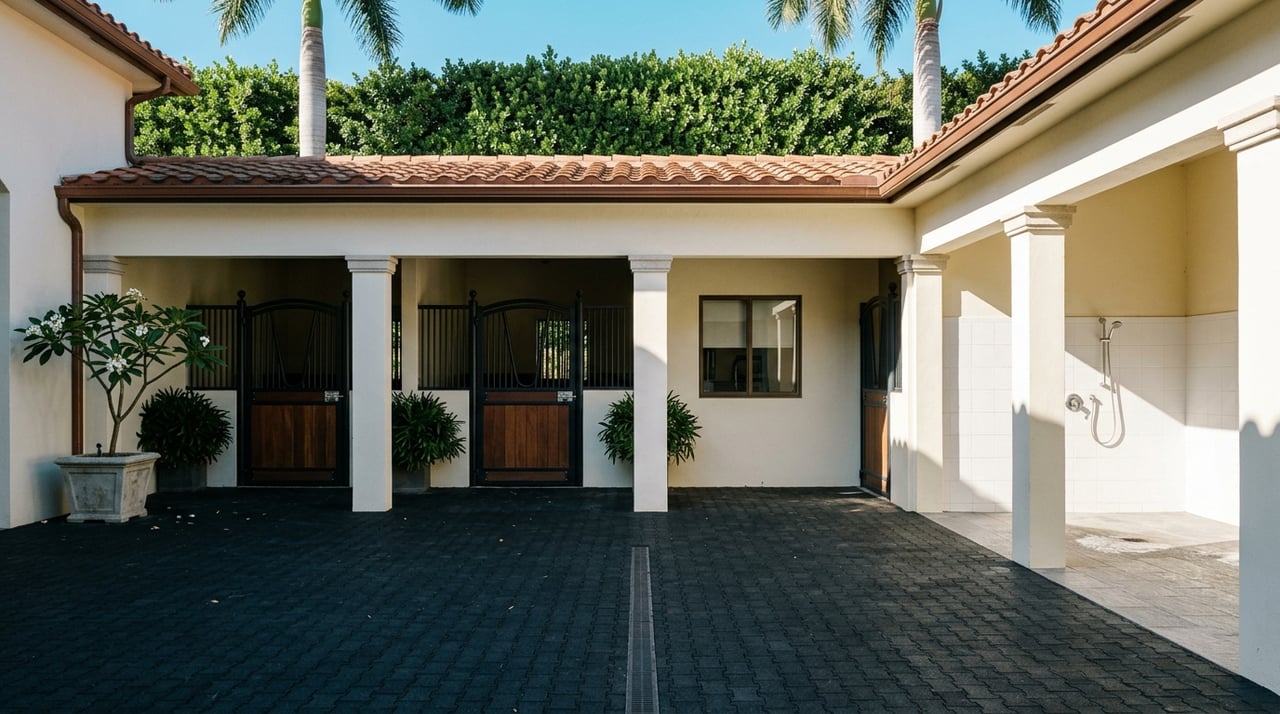
If you spend winter in Wellington, your home needs to do more than look beautiful. It needs to support your horses, your schedule, and the realities of South Florida weather with as little friction as possible. A well-chosen seasonal equestrian property can make the show season smoother, simplify daily routines, and protect your investment when you are away. Let’s dive in.
Why Wellington Works for Seasonal Owners
Wellington is built around an equestrian calendar. According to official village information, the main season runs from November through April, with nearly 13,000 horses in the area at peak season and more than 580 farms serving polo, dressage, hunter/jumper, and recreational riders.
That rhythm shapes how you should think about ownership. Your home should be ready before the fall return of the circuit, operate smoothly through the winter show months, and remain manageable as you head into spring. In Wellington, seasonality is not a side note. It is part of how the market functions.
Wellington International reinforces that pattern with a winter calendar centered on 13 weeks of WEF from January through March, 10 weeks of AGDF, and high-level competition from November through April. Summer competition continues at Equestrian Village, which means the area stays connected to the sport beyond the core winter months.
Look Beyond Acreage
A larger property can sound appealing, but size alone does not determine whether a seasonal equestrian home works well. Wellington planning materials note that local horse farms range from 1 acre to 200 acres, with 2- and 5-acre parcels being the most common.
For a seasonal owner, the better question is how efficiently the property functions. If you are only in town part of the year, you may benefit more from a practical layout, reliable systems, and easy day-to-day management than from extra acreage that adds upkeep.
A property should help horses move safely, allow staff or service providers to work efficiently, and make arrival and departure simpler during the season. In many cases, a well-planned smaller farm can feel more useful than a larger property with operational challenges.
What Seasonal Equestrian Homes Need
The right setup depends on whether you plan to keep horses on-site, use full-service boarding, or combine both options during the season. Wellington-area boarding operations show what many seasonal owners tend to value in practice.
Common features include:
- Spacious stalls
- Fans and lighting
- Wash racks
- Tack rooms
- Feed rooms
- Turnout areas
- Quality footing
- Hot water
- On-site apartments
- Transport support
These details matter because they affect daily ease, horse care, and how much oversight you need to provide personally. If your goal is a low-friction winter base, each operational feature should save time rather than create another task to manage.
Match the Property to Your Discipline
Wellington is not a one-size-fits-all horse market. Local venues and barns strongly reflect hunter/jumper, show jumping, and dressage, so your ideal property should fit the needs of your discipline and your support team.
That can influence everything from footing preferences to turnout needs and proximity to specific training resources. A buyer focused on dressage may prioritize a different setup than a buyer centered on hunter/jumper competition. The home, barn plan, and nearby service network should align with how you actually ride and compete.
On-Site Barn or Off-Site Boarding?
One of the most common questions seasonal buyers ask is whether they need stalls at home. The answer is not always yes.
Palm Beach County resources show abundant boarding options in Wellington and nearby areas, including facilities in Wellington, Loxahatchee Groves, Delray Beach, Jupiter, and West Palm Beach. For many owners, pairing a residence with off-site full-service boarding or seasonal stall rental can be an efficient way to enjoy the season without taking on full barn operations at home.
Here is a simple way to think about it:
| Option | Best Fit | Main Benefit |
|---|---|---|
| On-site horses | Owners who want direct oversight and private daily use | More control over routine and access |
| Off-site full-service boarding | Owners who want easier travel and less property management | Lower operational burden |
| Hybrid approach | Owners who split time or needs during the season | More flexibility |
Your best choice depends on how hands-on you want to be, how often you travel, and whether convenience or control matters more to you.
Plan Early for Show Season Logistics
In Wellington, timing matters. Seasonal stabling tied to major competitions is planned well in advance, and show-season logistics come with specific rules around biosecurity, trailer parking, designated lunging, and wash areas.
That means your property decision should support more than where you sleep. It should also support horse paperwork, transportation timing, access for staff, and a practical arrival plan before the winter circuit gets underway.
If you are buying a seasonal home, it helps to think several steps ahead. Where will horses stay on day one? How will trailers move in and out? What support will be in place if you arrive just before competition begins? A strong setup answers those questions before they become problems.
Trail Access Adds Daily Lifestyle Value
Wellington’s equestrian appeal goes beyond showgrounds. The village notes that the community has more than 57 miles of trails, and that the trail network supports recreation, exercise, transportation, and equestrian activity.
That matters if you want your seasonal home to serve your everyday lifestyle, not just your competition calendar. Trail access can support conditioning rides, easier movement through the area, and a stronger connection to Wellington’s equestrian setting.
In other words, you are not simply buying acreage or a barn. You are buying into an equestrian ecosystem that includes preserves, trails, venues, and horse-focused infrastructure.
Weather Is Part of Ownership
South Florida climate should play a central role in your buying decision. Regional climate normals for West Palm Beach show an annual mean temperature of 75.8 degrees and 61.75 inches of precipitation, with the wettest stretch concentrated in the late-summer rainy season.
Winter is generally cooler, less humid, and drier, which aligns well with Wellington’s main equestrian season. Summer is warmer, more humid, and more prone to thunderstorms. Even if you use the property primarily in winter, you still need systems that perform well year-round.
That includes attention to:
- Drainage
- Footing conditions
- Irrigation
- Fencing
- Manure handling
- Landscape and paddock upkeep
- Post-storm cleanup capacity
These are not secondary concerns. They are part of normal ownership in Wellington, especially for a property that may sit vacant for part of the year.
Hurricane Readiness Cannot Be an Afterthought
Atlantic hurricane season runs from June 1 through November 30. If you are a seasonal owner, that means your property needs a storm plan even when you are not in residence.
Wellington’s equestrian hurricane guidance recommends updated vaccinations, a negative Coggins test if evacuation becomes necessary, clear horse identification, water and feed storage, a generator for wells, and moving trailers, tractors, and other equipment to safer ground before a storm. The guidance also recommends storing at least 72 hours of feed and hay, keeping 12 to 20 gallons of water per horse per day, securing movable objects, and turning off barn power before a storm.
For many buyers, this is where a well-managed property stands apart from a merely attractive one. If your home includes equestrian improvements, those systems should be easy to secure, maintain, and restart after severe weather.
Barn Ownership Means Ongoing Operations
Wellington’s village resources make it clear that owning an equestrian property involves logistics beyond the riding itself. The community maintains equestrian-specific resources tied to preserve operations, manure regulations, and livestock waste hauling.
That does not mean ownership needs to feel burdensome. It simply means the best seasonal properties are the ones designed for smooth operation, whether through on-site infrastructure, outside support, or both.
If you value a more turnkey experience, it is worth focusing on homes that reduce operational complexity. Seasonal ownership tends to work best when property systems, horse care, and travel patterns are aligned from the start.
How to Think Like a Seasonal Buyer
When you evaluate a Wellington equestrian home, try to view it through the lens of time and ease. You are not only buying a residence. You are choosing how your season will function.
A smart buying checklist may include:
- Is the property ready before the winter circuit begins?
- Does the layout support safe, efficient horse care?
- Will you keep horses on-site, off-site, or both?
- Is the home practical when you are away?
- Are storm-readiness systems already in place?
- Does the location support your riding discipline and daily routine?
- Would trail access improve how you use the property?
In Wellington, the strongest seasonal properties usually offer a blend of lifestyle, logistics, and resilience. That combination can make your time in Florida feel effortless rather than operationally heavy.
If you are considering a seasonal equestrian home in Wellington, a thoughtful search can help you balance comfort, privacy, and practical horse-property needs. For discreet guidance tailored to your goals, contact The Jack Elkins Team.
FAQs
What makes Wellington different from a typical horse property market?
- Wellington offers access to a full equestrian ecosystem, including seasonal competitions, more than 57 miles of trails, preserve infrastructure, and a large network of farms and horse services.
Do you need on-site stalls for a seasonal equestrian home in Wellington?
- No. Many seasonal owners pair a Wellington residence with off-site full-service boarding or seasonal stall rental near the showgrounds.
When should you prepare a Wellington seasonal equestrian home?
- You should plan before the winter circuit begins and before hurricane season, since both calendars affect horse travel, stabling, and property management.
What features matter most in a Wellington seasonal horse property?
- Layout, stall setup, turnout, footing, wash areas, tack and feed storage, weather readiness, and ease of management often matter more than acreage alone.
Why is hurricane planning important for Wellington equestrian owners?
- Hurricane season overlaps with part of the annual ownership cycle, so seasonal owners need plans for feed, water, horse identification, equipment security, and property systems even when they are away.